
The Collection
The Myōan Collection is a focused private collection of Japanese painting, assembled through sustained study, direct engagement with the works, and long-term custodianship.
The collection is guided by a strong interest in questions of authenticity, lineage, and transmission. In some cases, attribution rests on a high degree of certainty supported by stylistic, material, and documentary evidence; in others, the historical record is less complete, and works are approached with appropriate caution. Such gradations are intrinsic to the study of Japanese painting, particularly where objects have survived outside institutional frameworks.
The collection centres primarily on Zen painting, devotional imagery, and ink works from the medieval through Edo periods, with particular attention to artists working outside courtly or decorative contexts.
It privileges works made for lived spaces—temples, hermitages, and private interiors—where paintings were intended to be encountered repeatedly over time rather than displayed as fixed objects.
Material condition, mounting history, and signs of use are understood as integral to each work’s meaning and transmission, offering insight into how these paintings were valued, handled, and preserved.
Selection is guided by close looking, historical research, and comparison with extant examples in museum, temple, and monastic collections.
Individual works are studied in depth, often beginning with fragmentary information and gradually forming a fuller historical, textual, and material context through research. The interpretations presented here are the result of this ongoing process of study and should be seen as informed personal views rather than definitive or authoritative conclusions. This page presents the collection as it exists today: a body of works shaped by study, conservation, and attention to lineage.
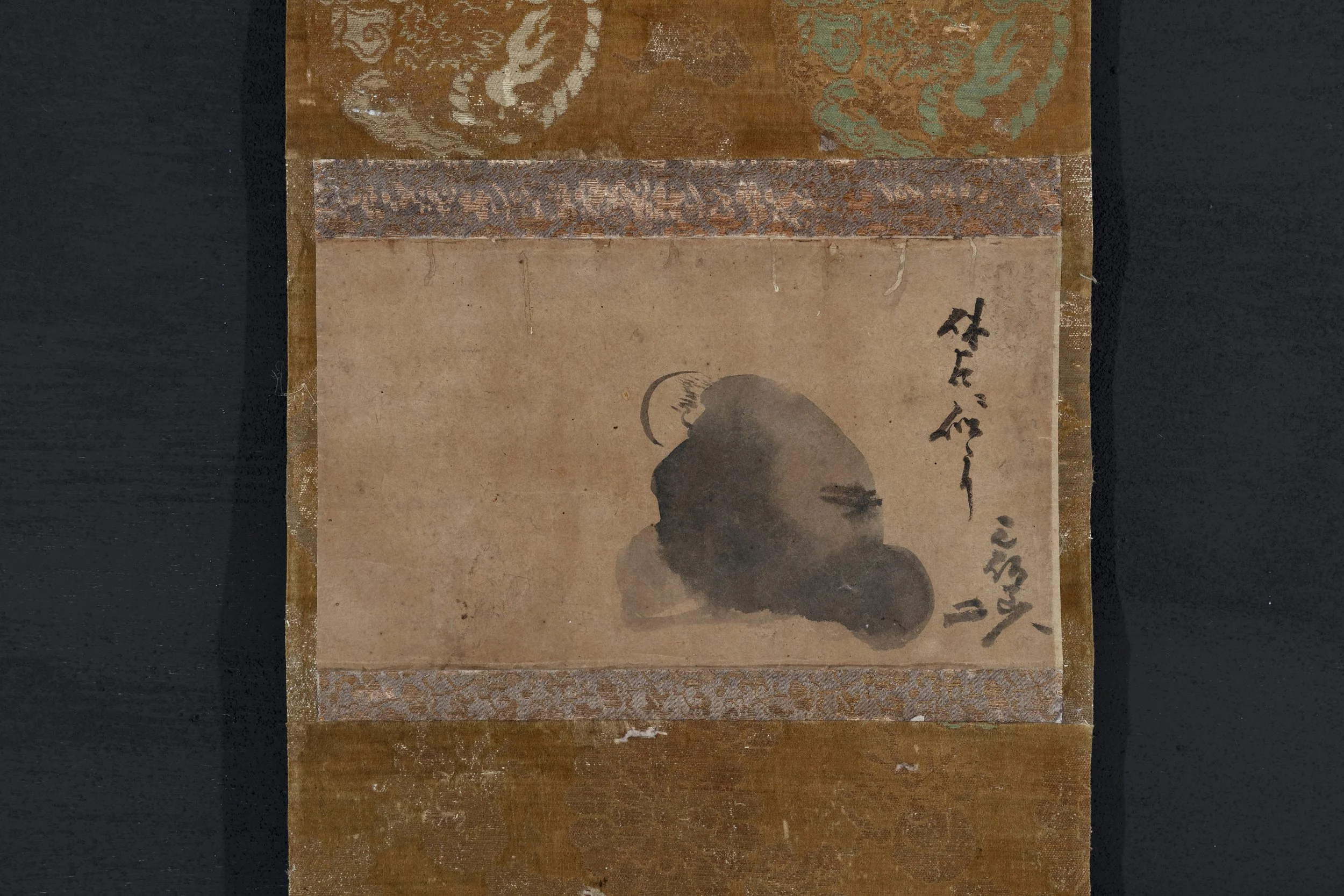
The decision to present the works in reverse order of acquisition is not merely practical; it mirrors the way understanding accumulates. Last year two pieces arrived almost side by side — a painted work after Hokusai, and a work by Hakuin Ekaku. Their simultaneous arrival formed an unplanned but revealing hinge in the life of the collection. At the time, there was no certainty. The Hakuin was acquired with little familiarity and without any firm expectation of authenticity, while the Hokusai carried with it a different kind of energy — that of a big name. What followed was a slow process of research and reassessment. The Hakuin revealed itself not only to be genuine, but to belong to a late and particularly lucid phase of the artist’s work, and to stand among the strongest expressions of his Hotei-in-a-boat theme. At the same time, the Hokusai demanded something else entirely: the release of the importance of recognisability. What became clear was that I had to let go of the lure of the Hokusai in order to turn toward the clarity offered by Hakuin’s teaching. In retrospect, this moment marked a subtle turning — not away from curiosity or ambition, but toward steadiness. In this way, the order of acquisition becomes a quiet record of learning: not simply what was acquired, but what was relinquished, and what remained.
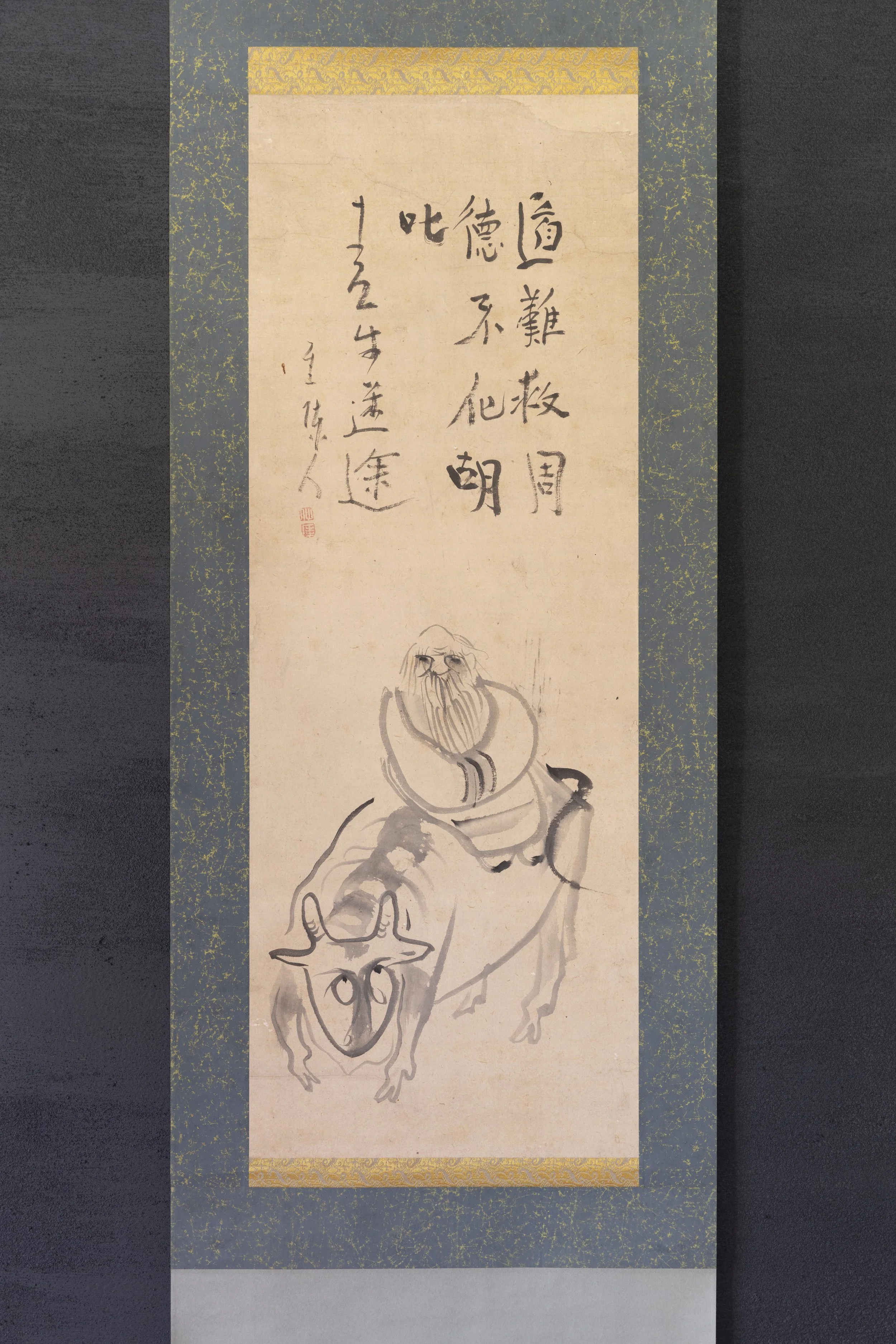
Sengai Gibon (1750–1837) Laozi Riding an Ox Edo period, early 19th century
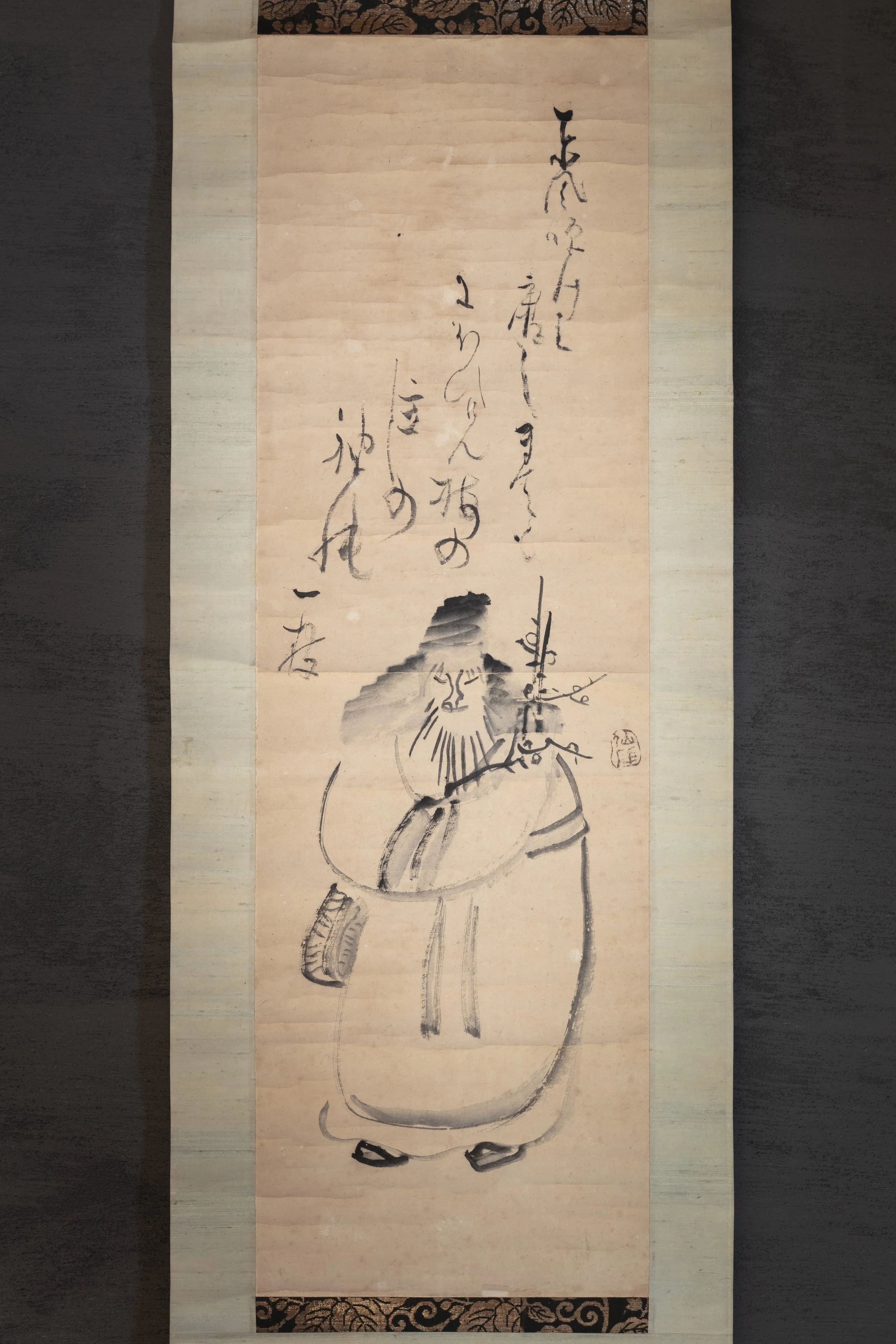
Sengai Gibon (1750–1837) Watō Tenjin (Tenjin Travelling to Tang China)
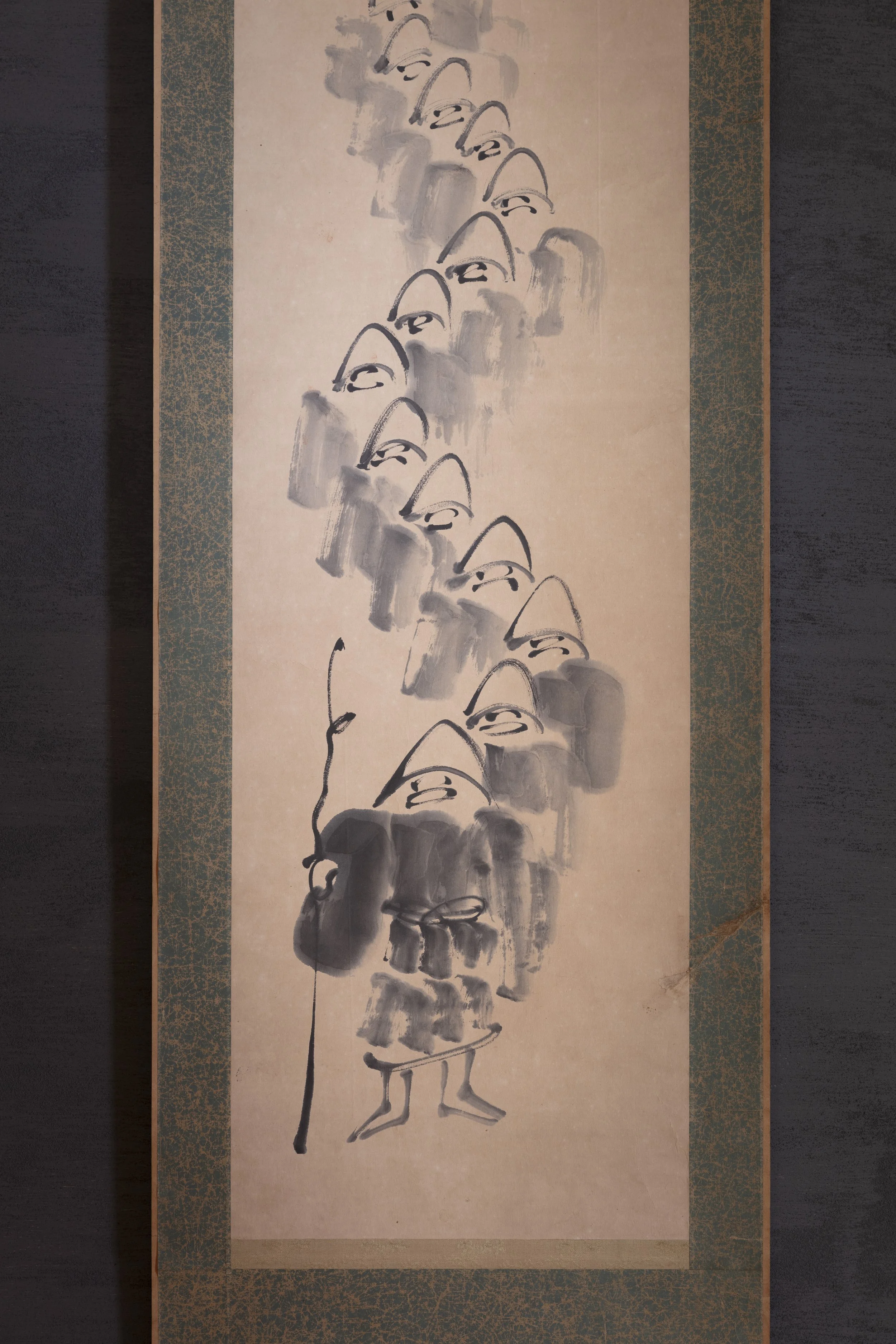
Nakahara Nantenbo (1839–1925) Procession of Mendicant Monks (1920-21)
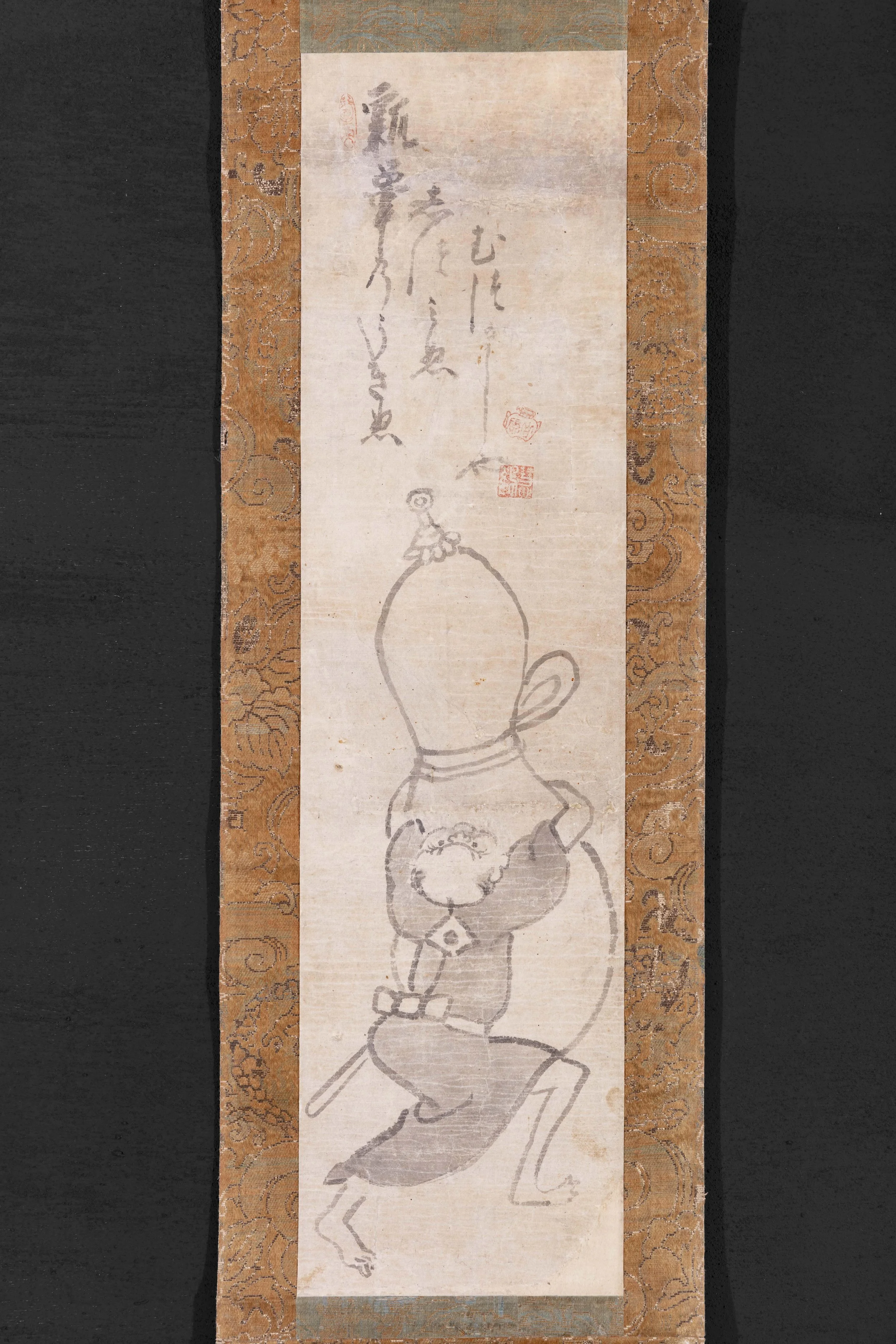
Hakuin Ekaku (1686–1769) Samurai Straining to Grasp a Gourd Japan, mid–Edo period, c. 1750s–1760s
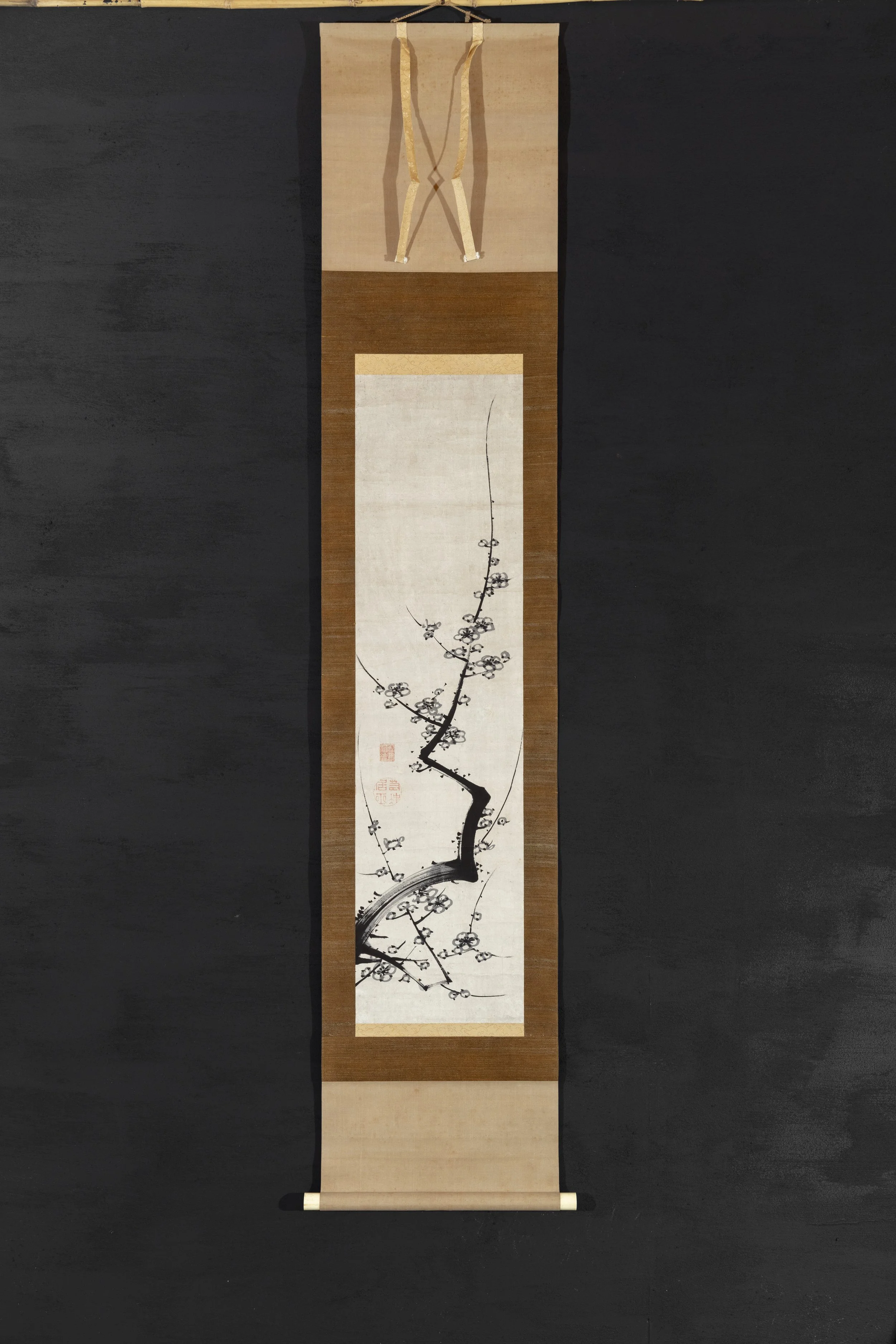
Itō Jakuchū (1716–1800) Plum Branch in Blossom
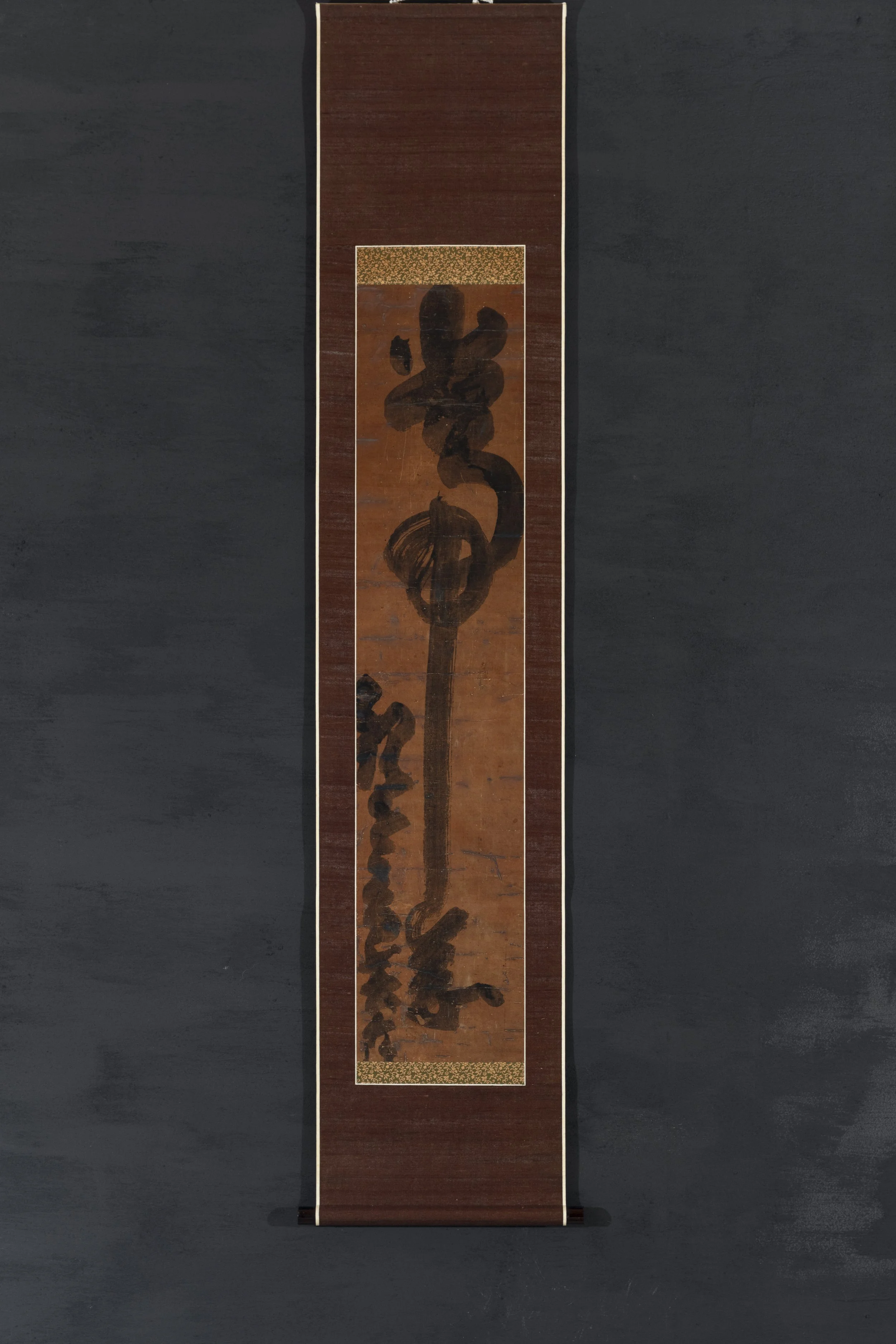
Hakuin Ekaku (1686–1769) Constant Remembrance of the Bodhisattva Kannon
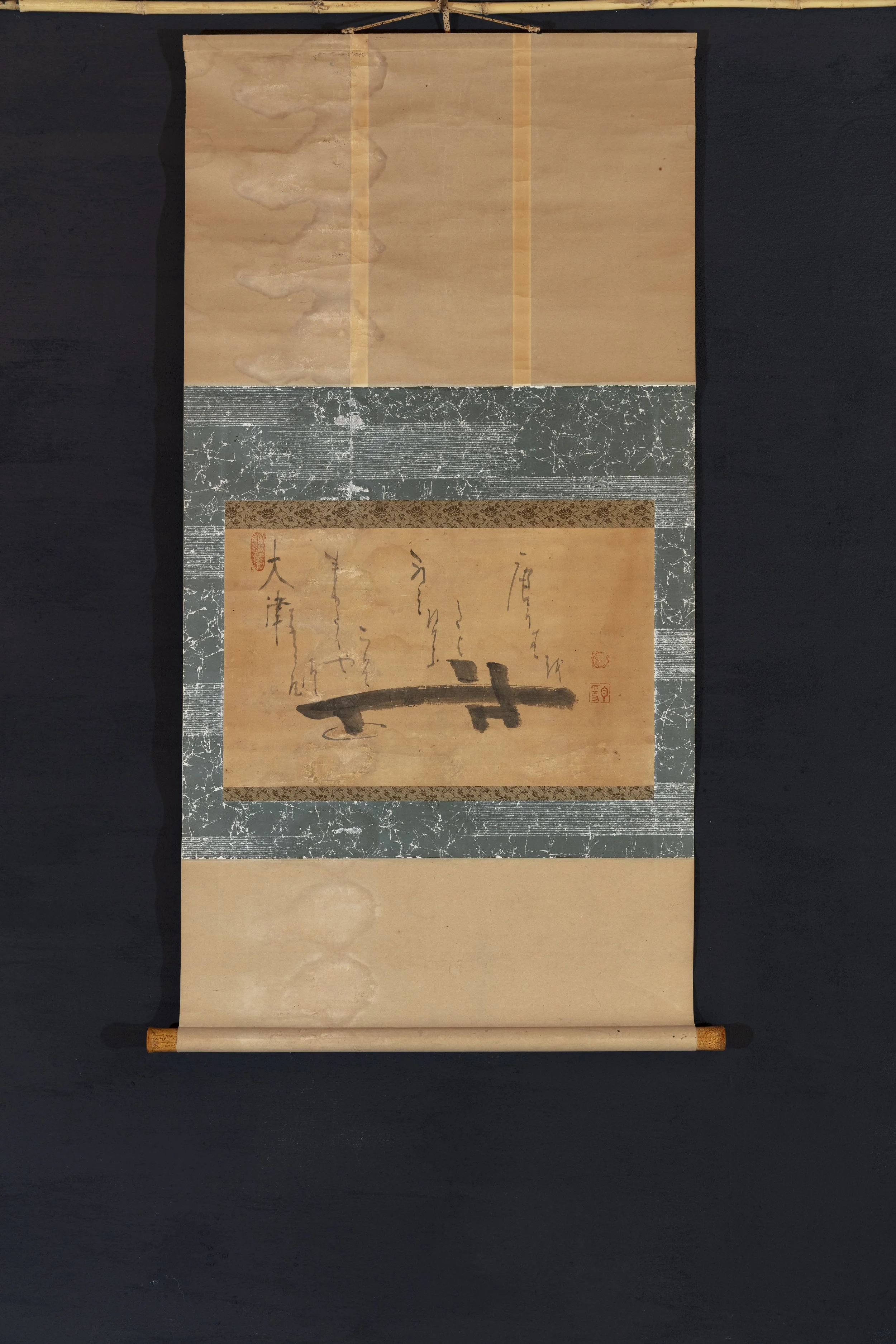
Hakuin Ekaku (1686–1769) The Sixth Patriarch’s Rice Mill
Yokoi Yayū (1702–1783) Portrait of Sen Sōtan Mid -18th century; remounted 1848 (Kaei 1)
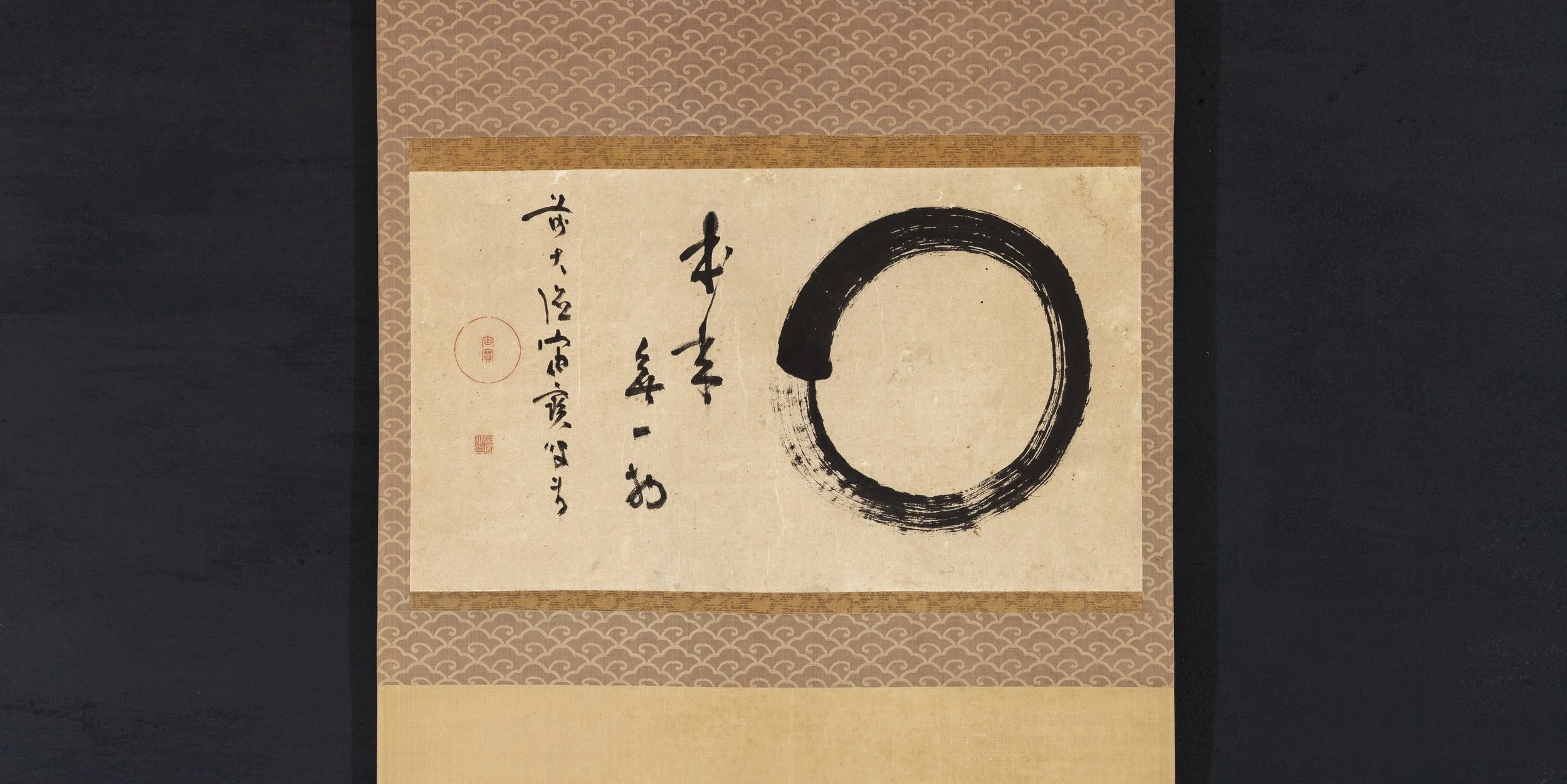
Chūhō Sōyu (1760–1838) Ensō (Circle of Emptiness) Ink on paper, c.1836–1837
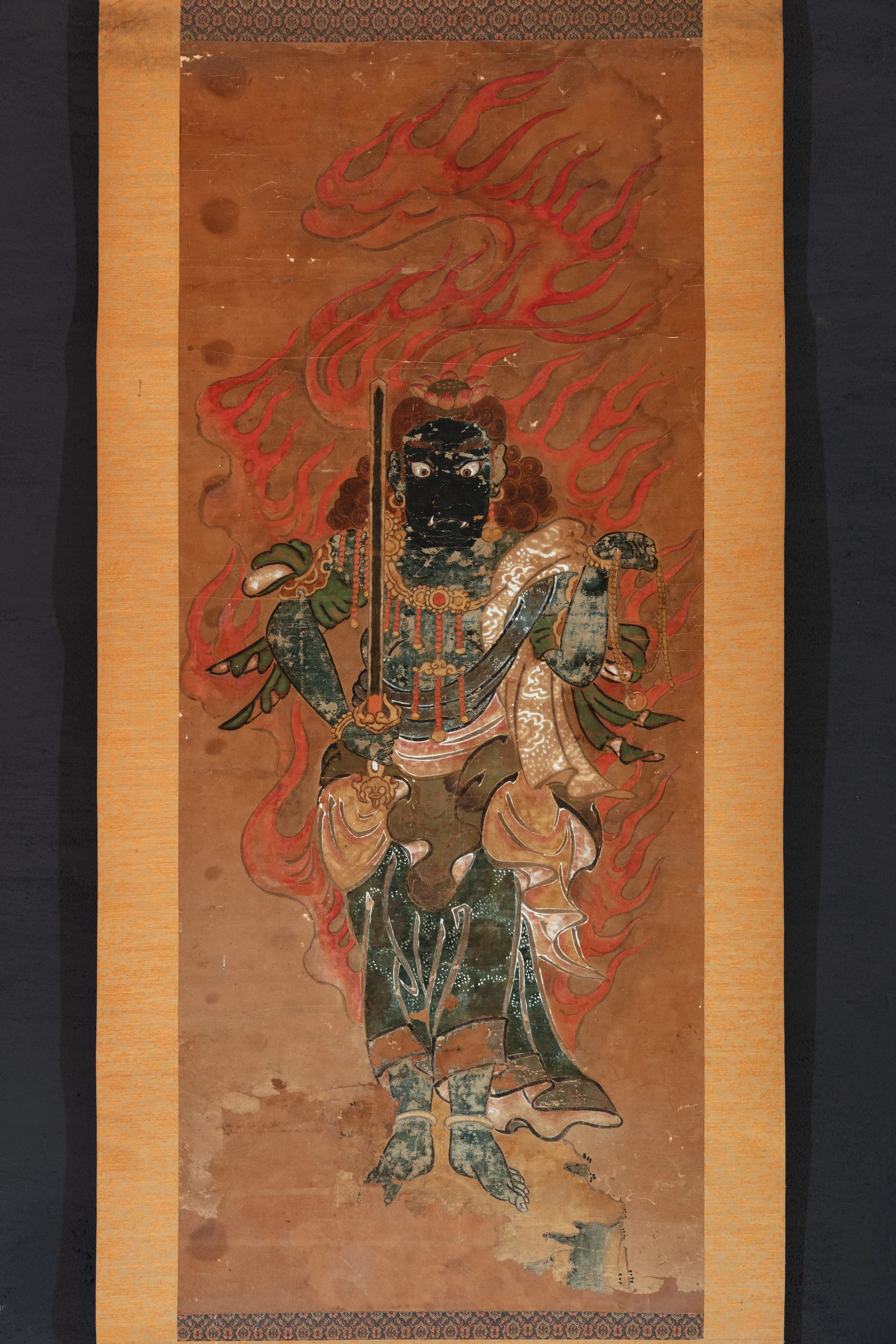
Fudō Myōō (Acala) Japan, Chūgoku region, late 17th to early 18th century
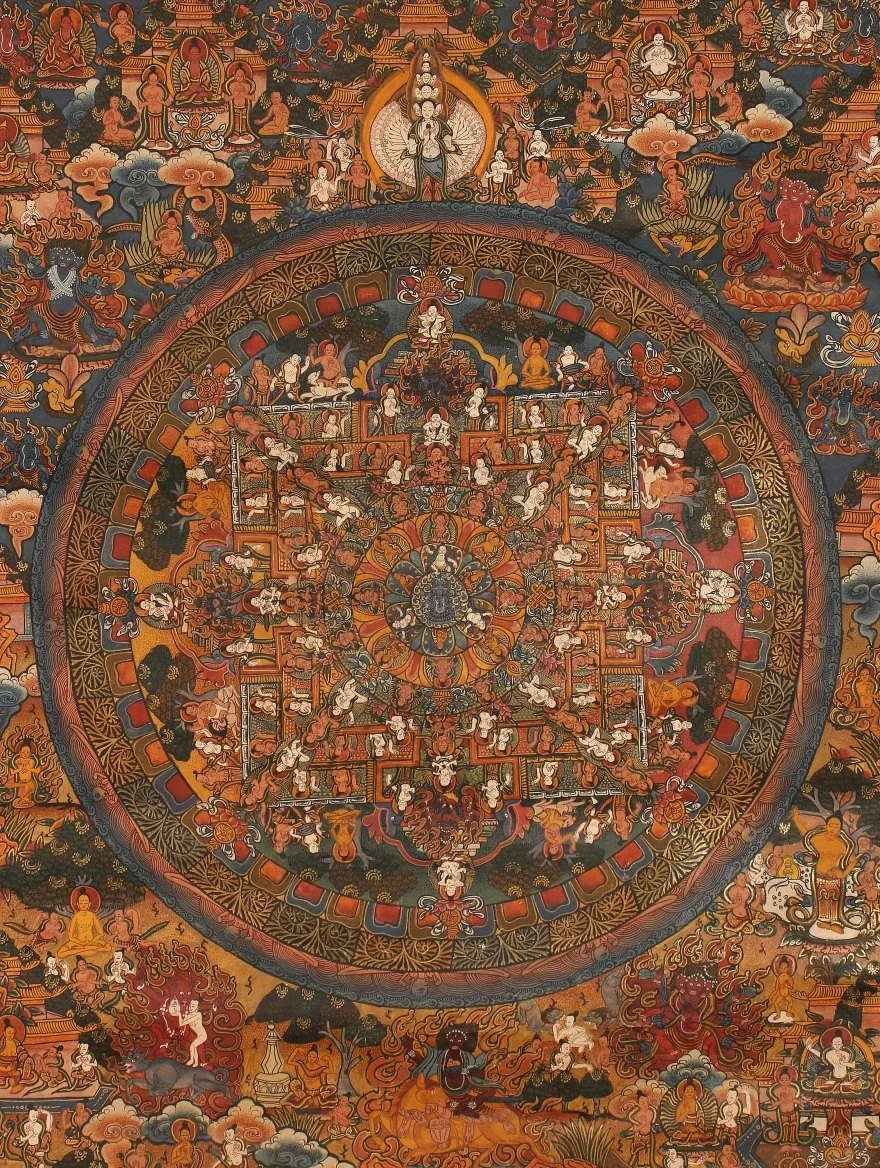
Tibetan Mandala of the Five Buddha Families, Eastern Tibet late 19th to early 20th century
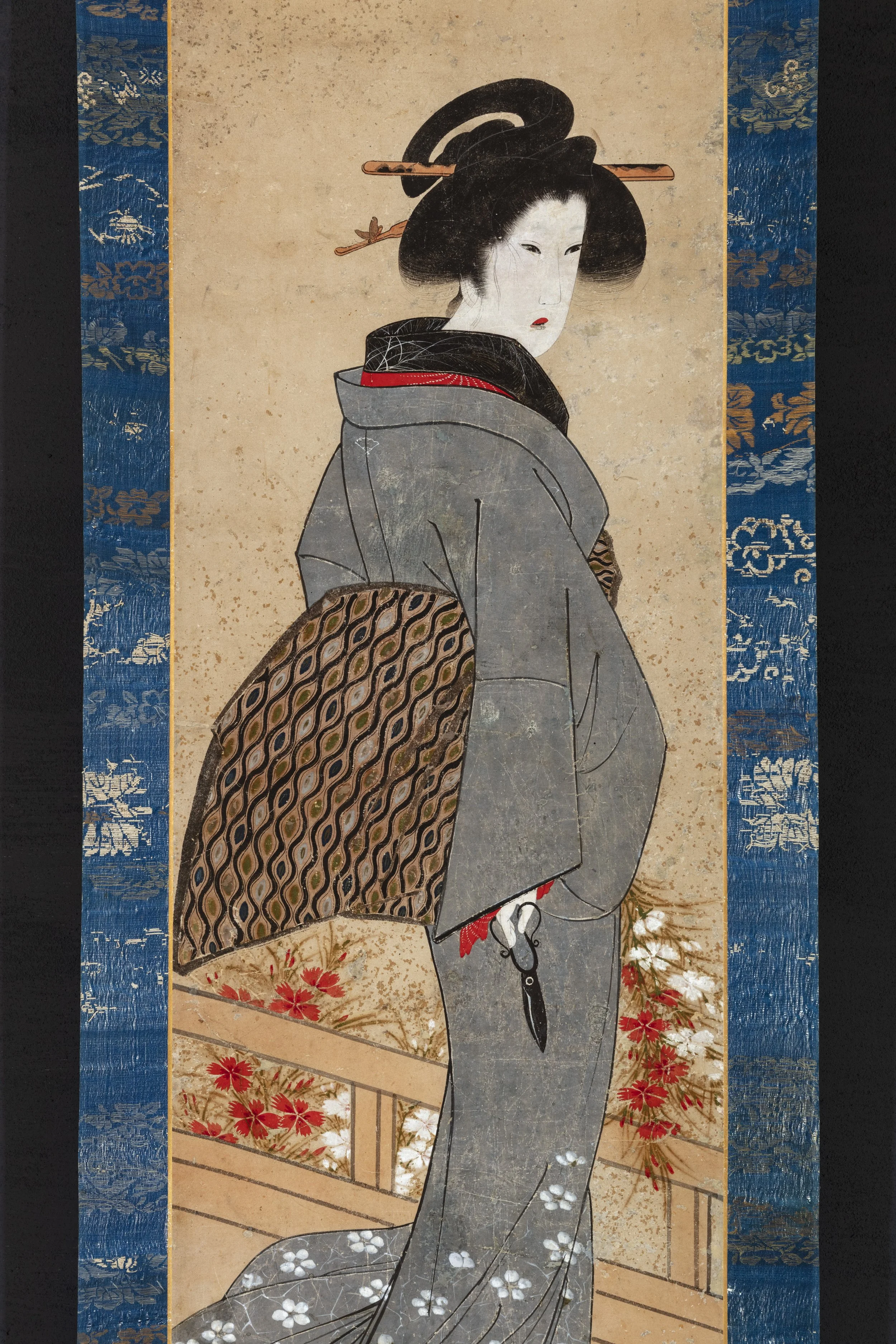
Standing Beauty with Scissors (Bijin with Nadeshiko) Signed “Kazan” (apocryphal; not by Watanabe
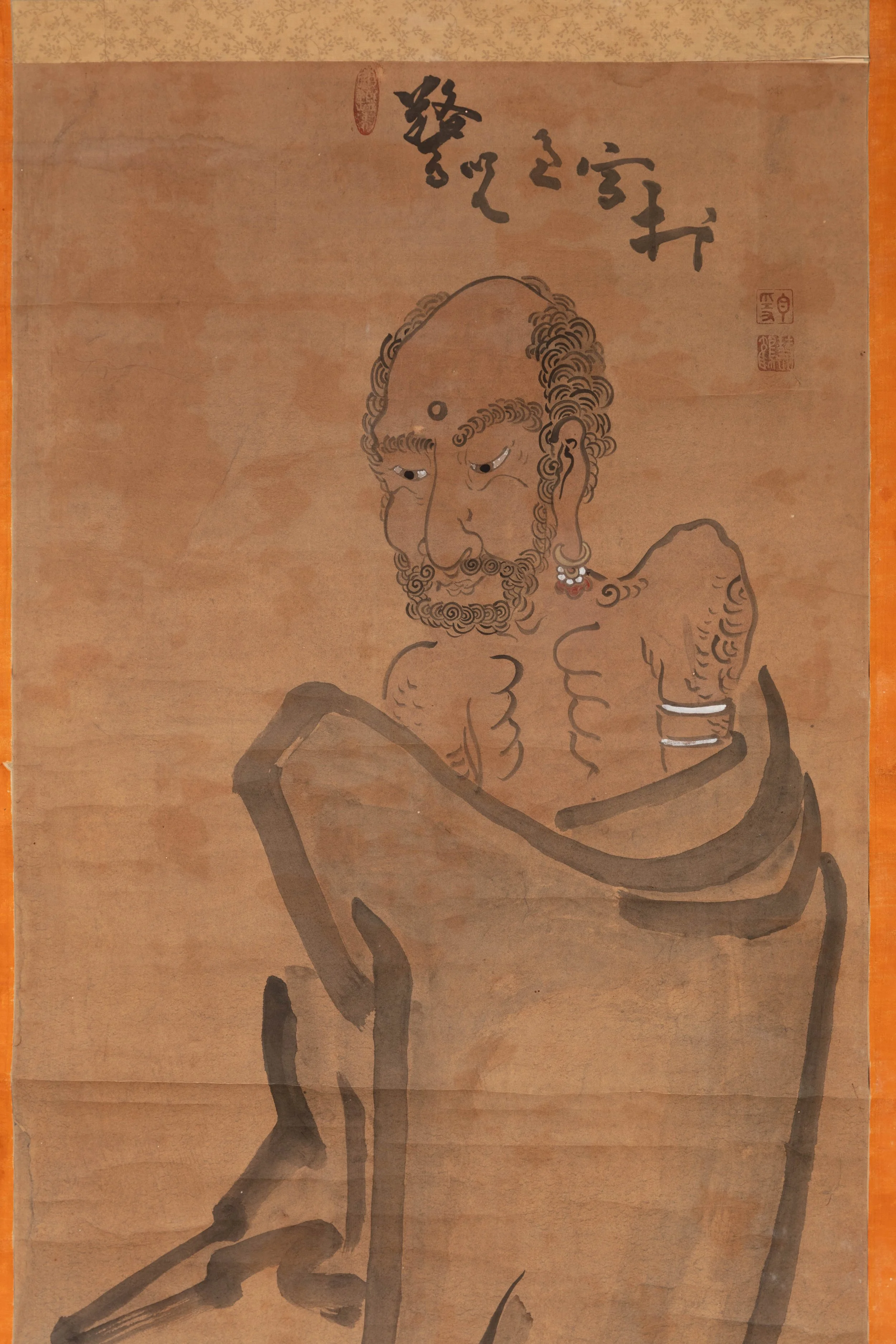
Hakuin Ekaku (1686–1768) Shakyamuni Coming Down from the Mountain Japan, Edo period
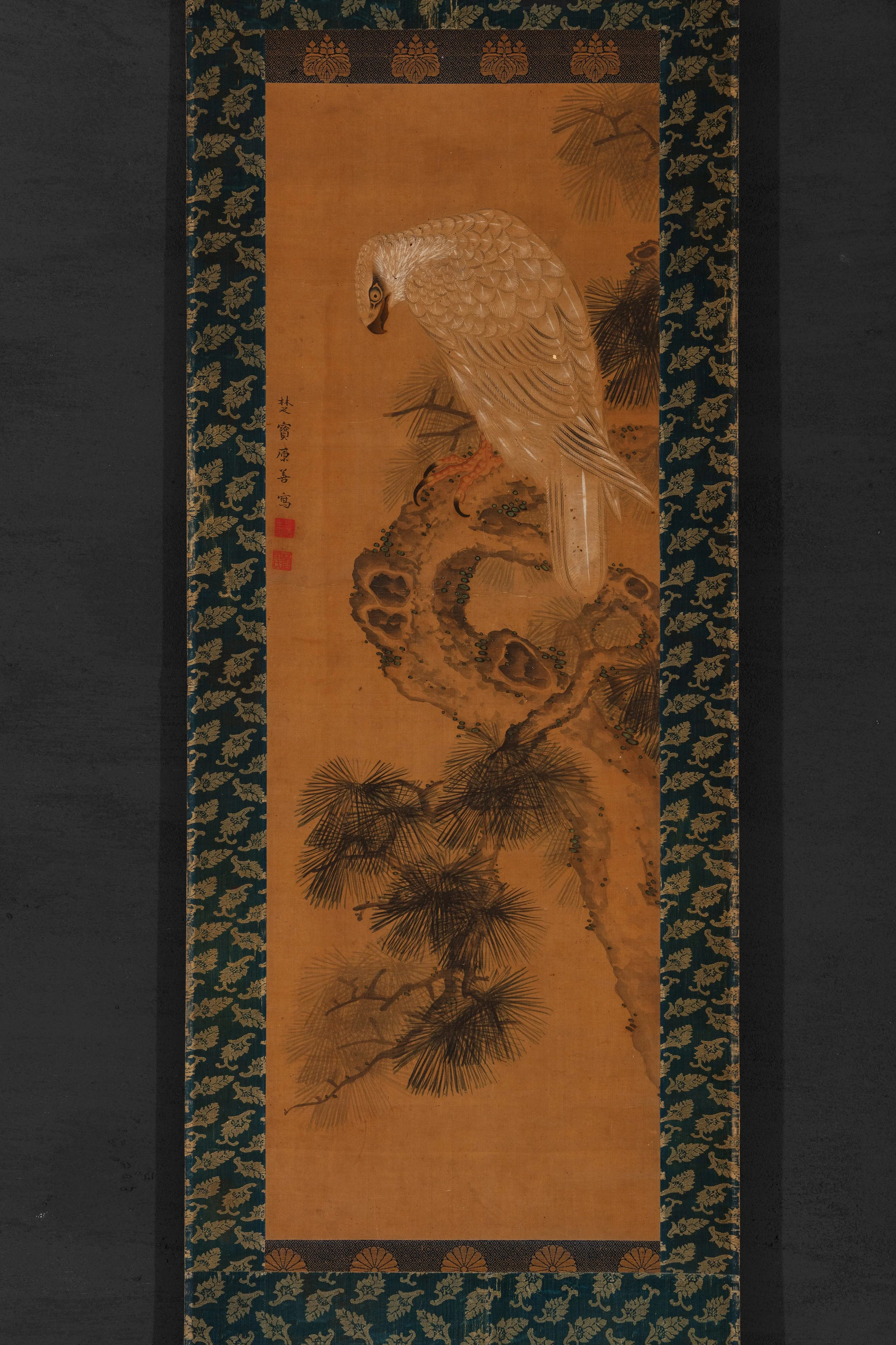
Sasaki Harazen (1750?–1795?) White Eagle in a Pine Tree
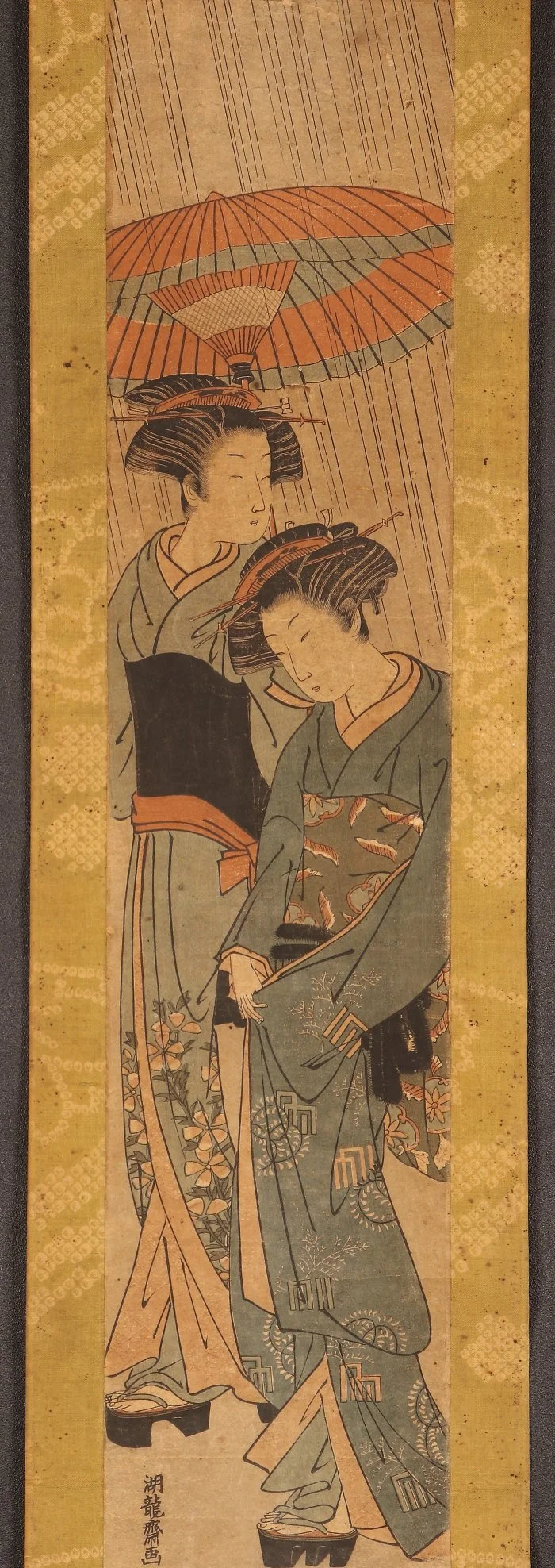
Isoda Koryūsai (act. c. 1764–1788) Two Women Sharing an Umbrella in the Rain
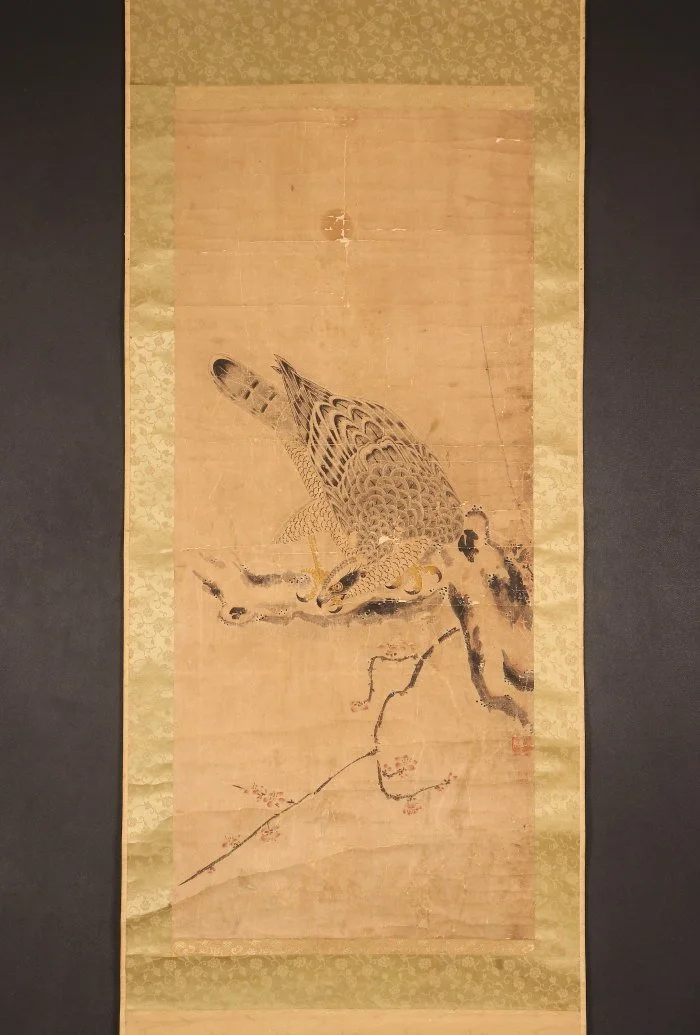
Anonymous (Edo period) ● Hawk in a Plum Tree, Biting Its Talon.
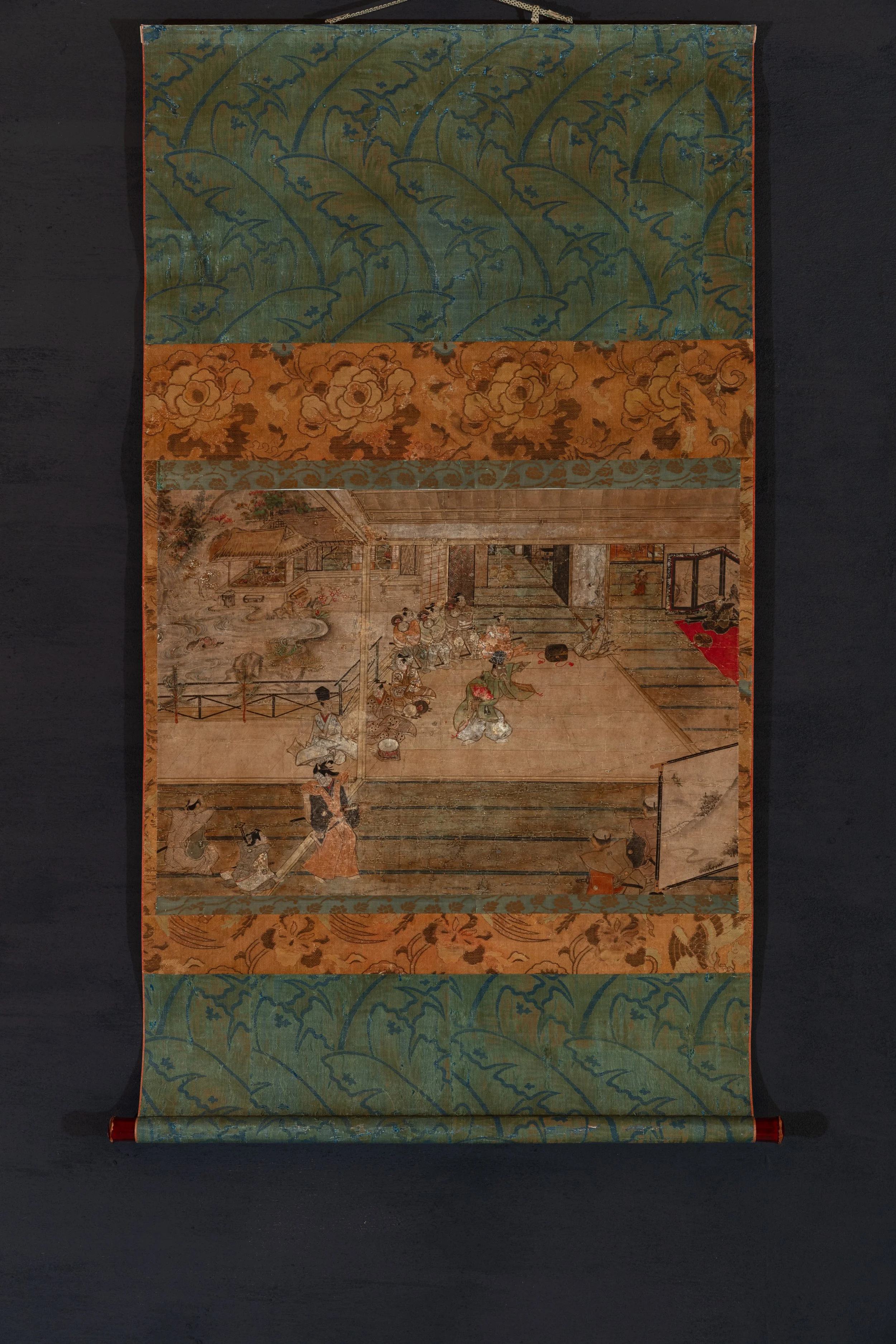
Anonymous (Kyoto Tosa workshop), Nōh Performance in a Courtyard Pavilion (circa 1680–1720)
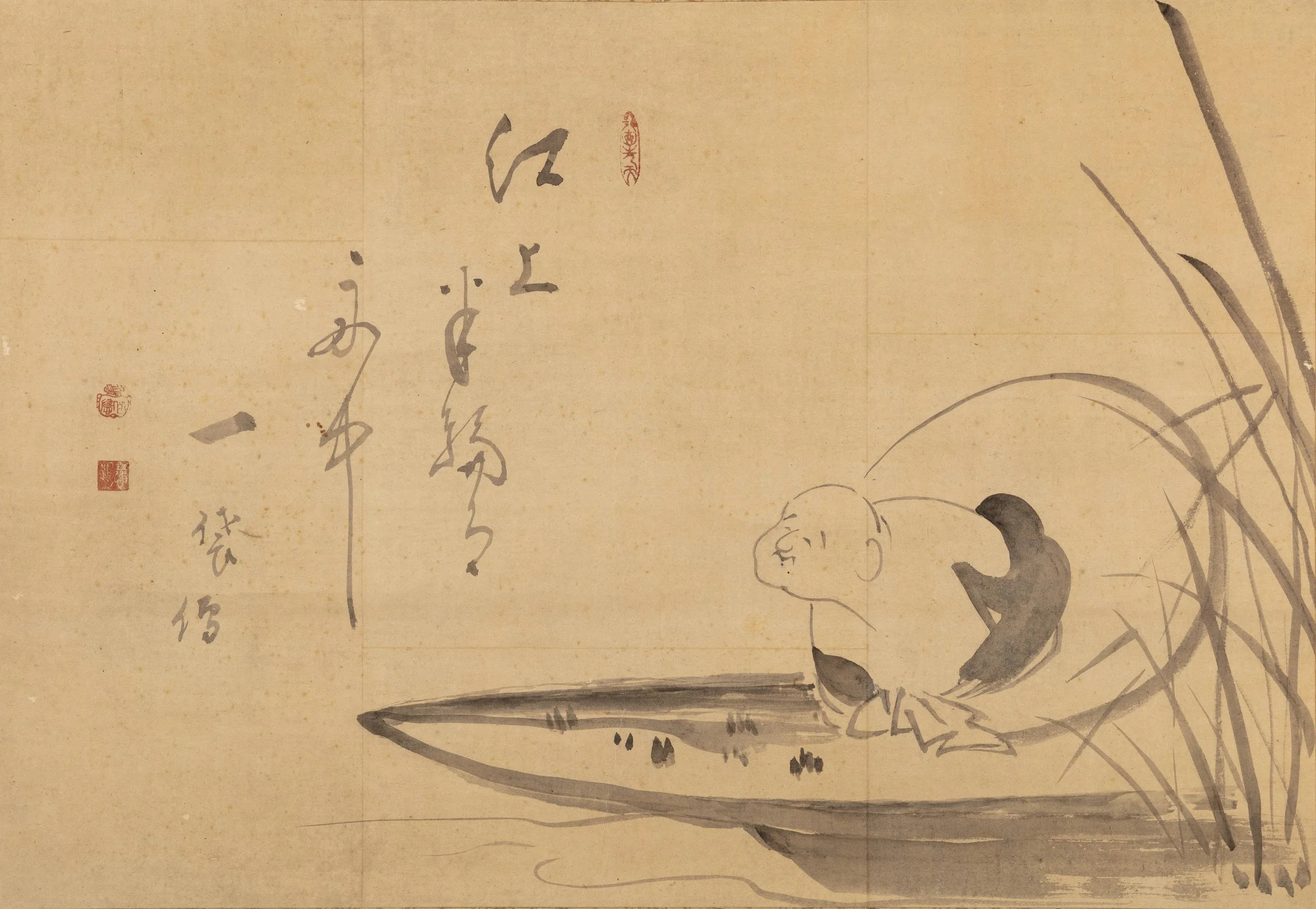
Hakuin Ekaku (白隠慧鶴, 1685–1768) ● Hotei in a Boat, Watching the Moon
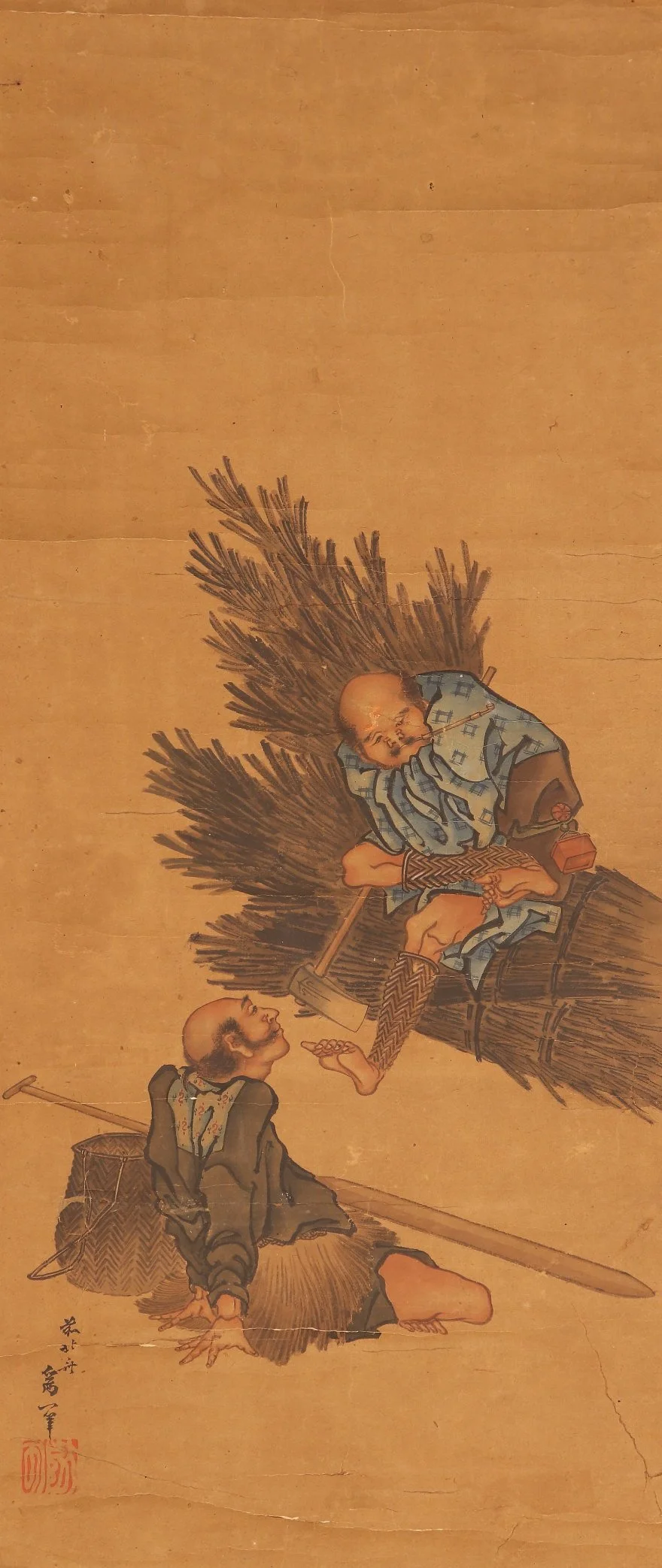
After Katsushika Hokusai (1760–1849) Fisherman and Woodcutter in Dialogue (山水図)
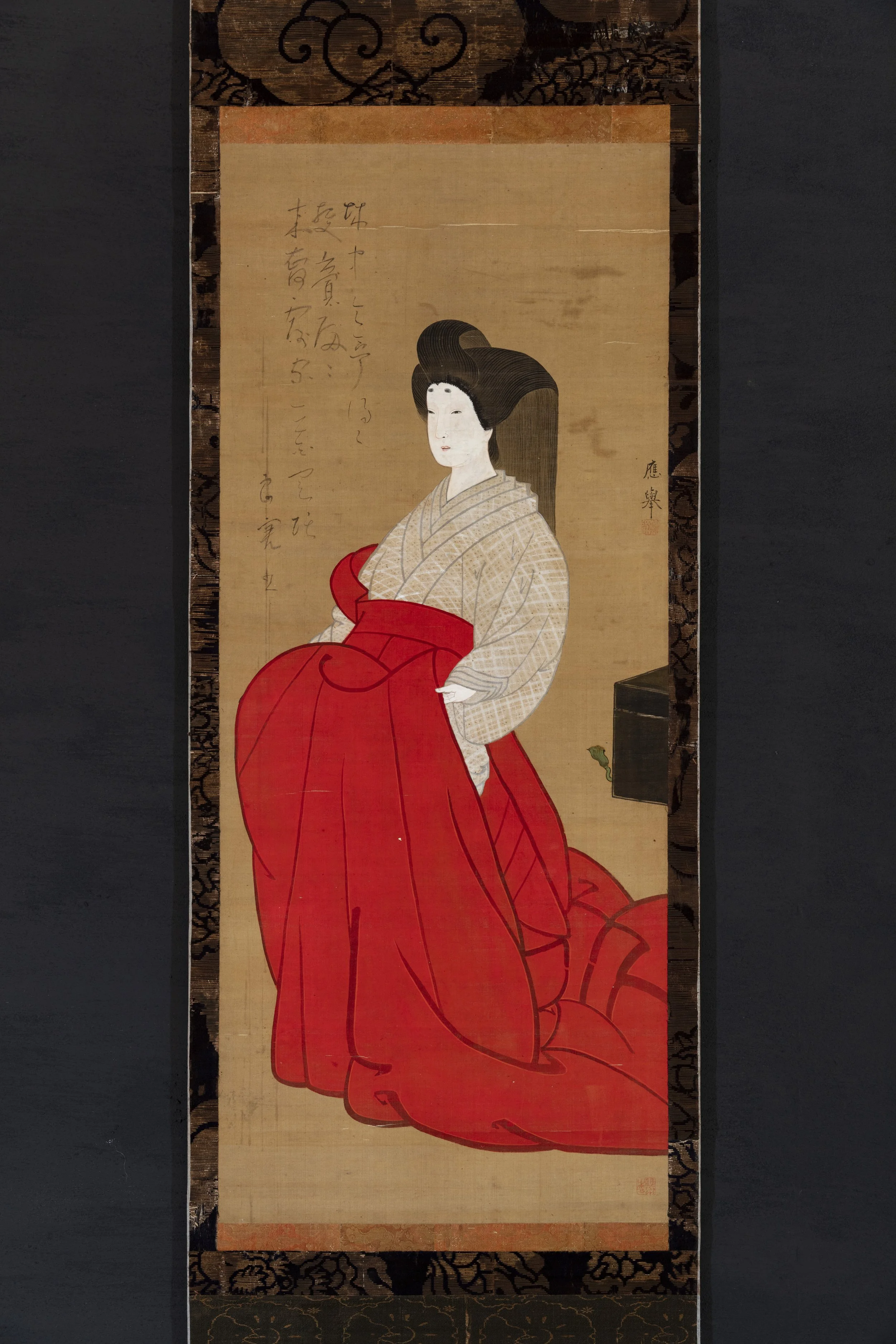
After Maruyama Ōkyo (1733–1795), Portrait of a Court Lady
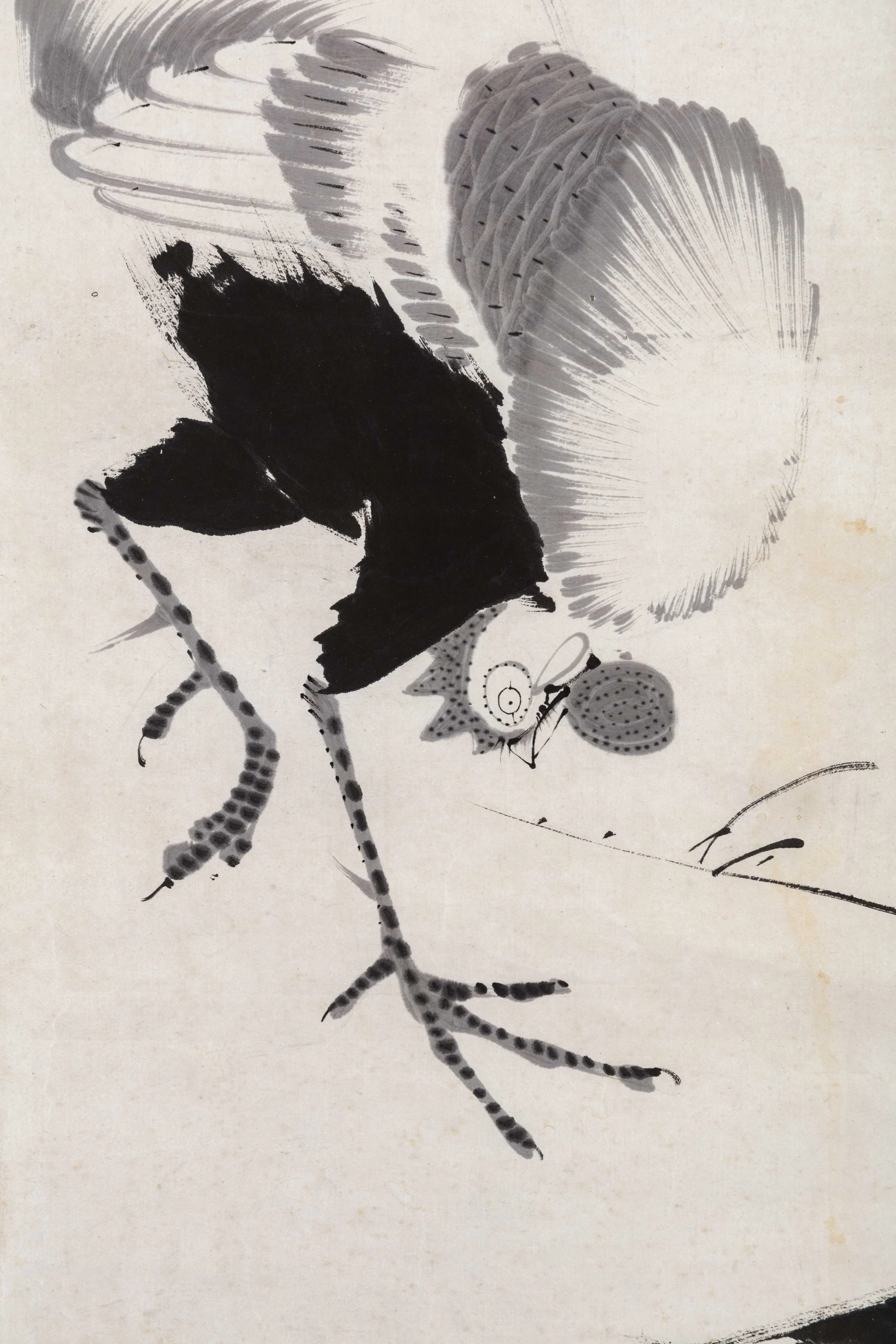
Itō Jakuchū (1716–1800) Rooster Beneath Orchid, Ink on paper, Edo period.
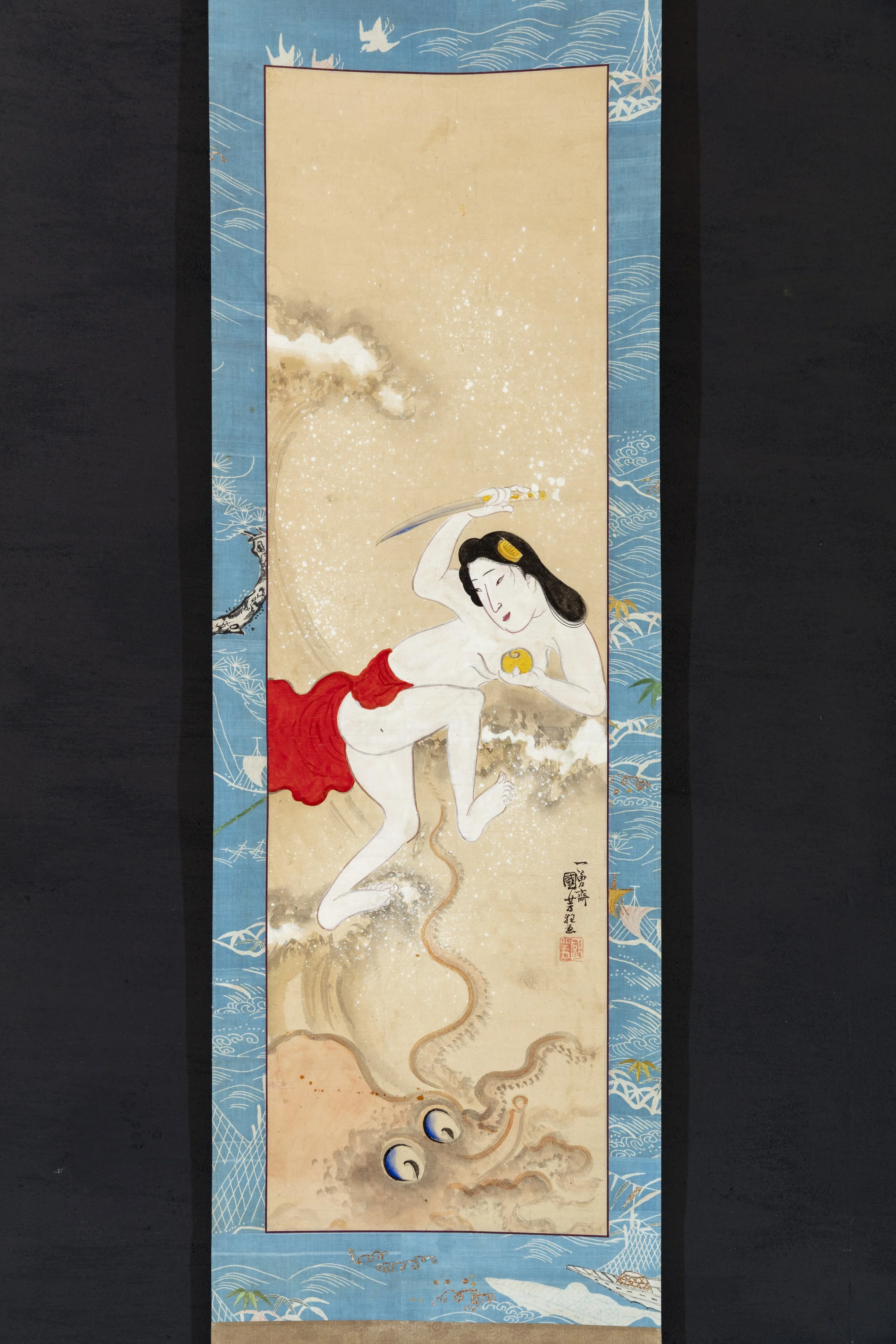
Tamatori Stealing the Jewel from the Dragon Palace After Utagawa Kuniyoshi (1797–1861)
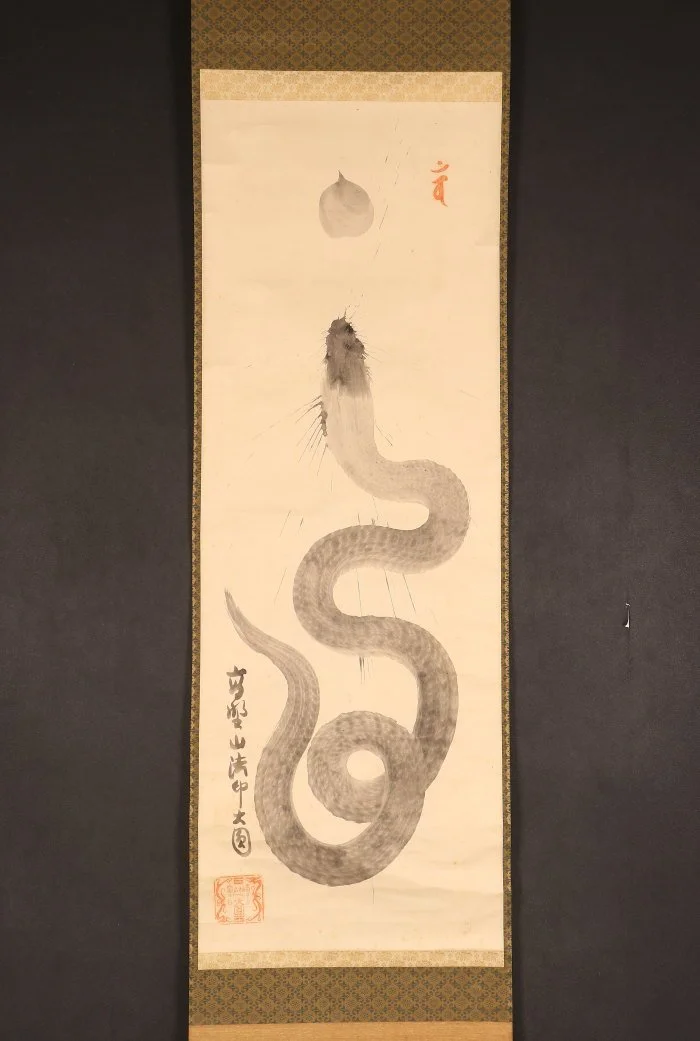
Daien (大円), 423rd Jimu-Kengyō Hōin of Kongōbu-ji Serpent Rising Toward the Siddham Seed-Syllable
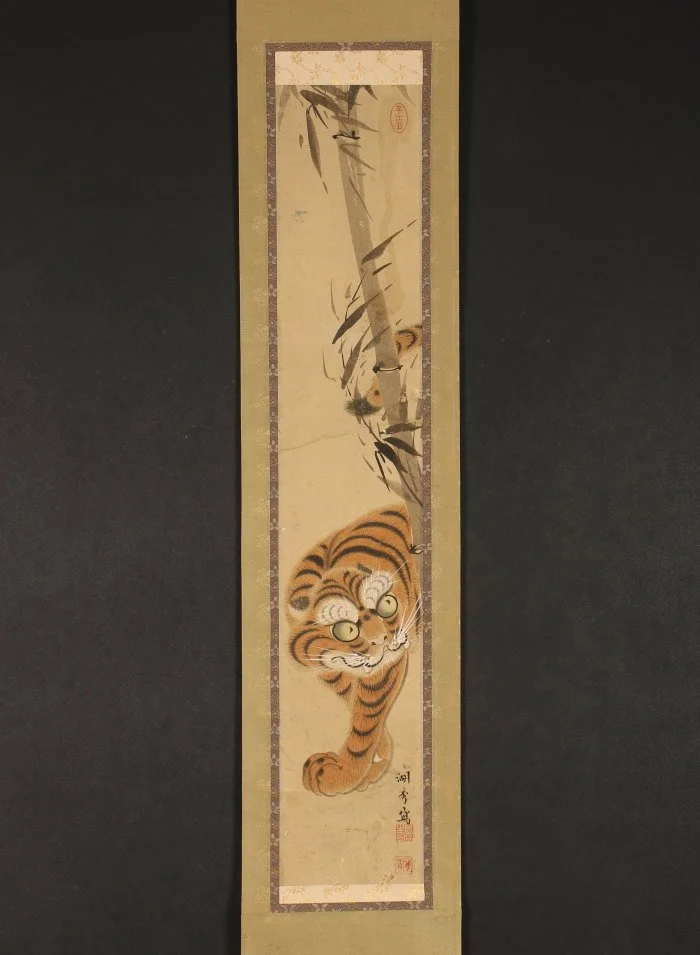
Hiroto Koshū II (湖秀二代, 1766–1820) Tiger and Bamboo | 虎と竹図 Late Edo period, c.1810–1818
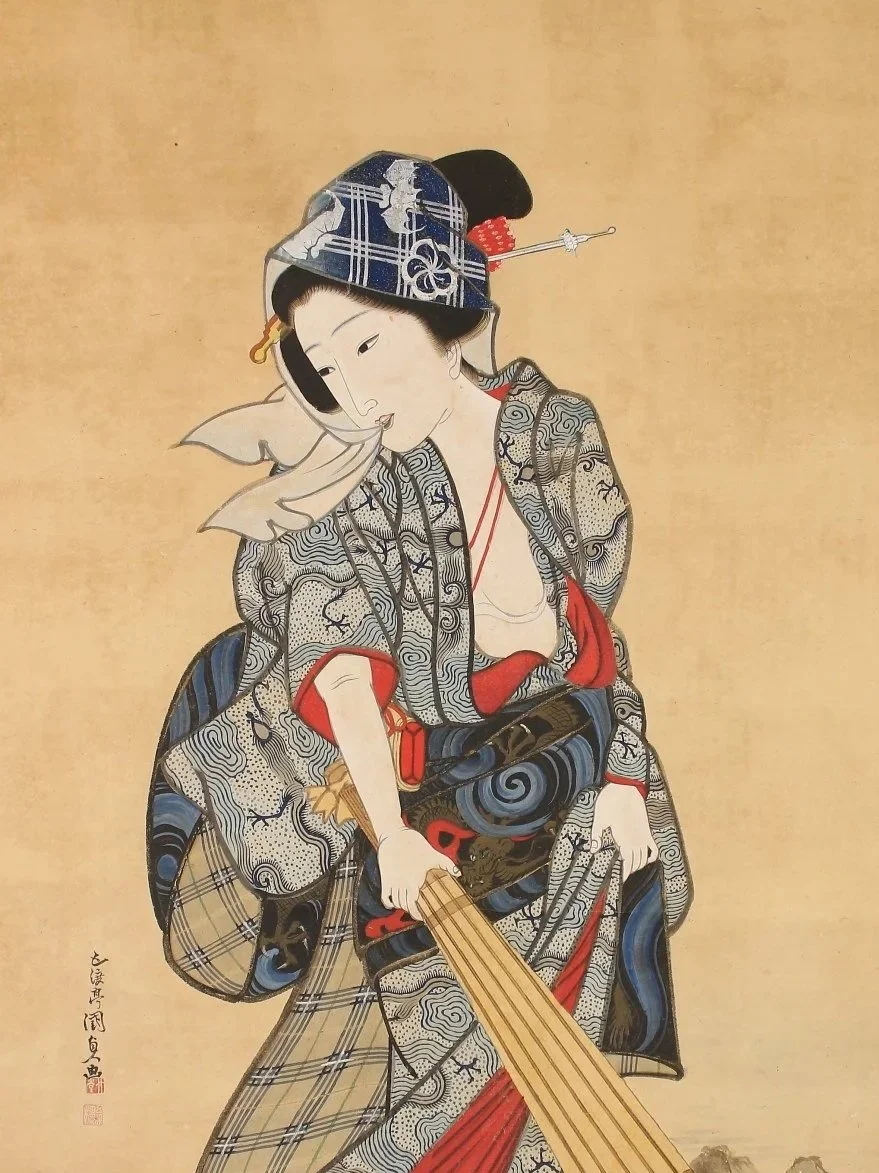
Beauty by the River In the manner of Utagawa Kunisada
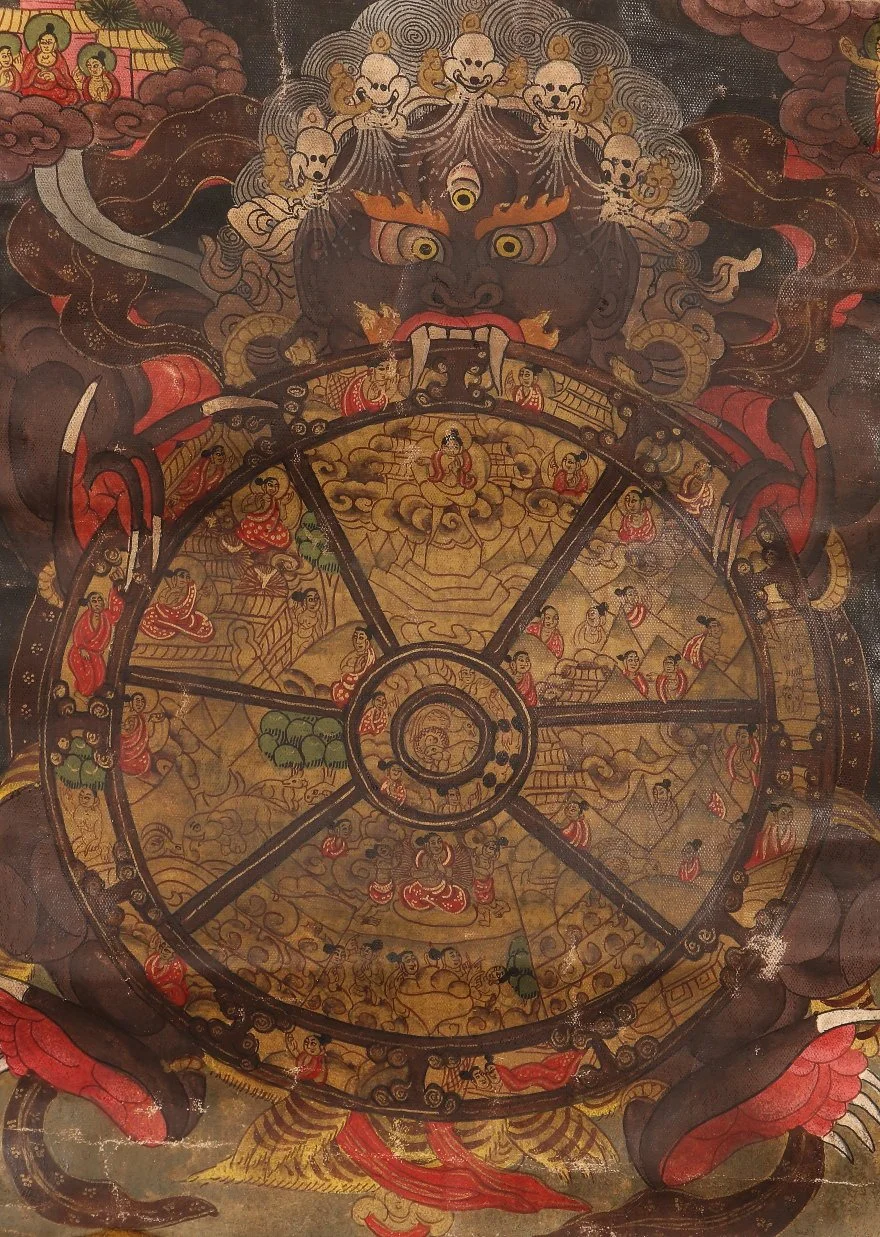
Wheel of Life (Bhavacakra) Sino-Tibetan workshop, Eastern Tibet or Sichuan region
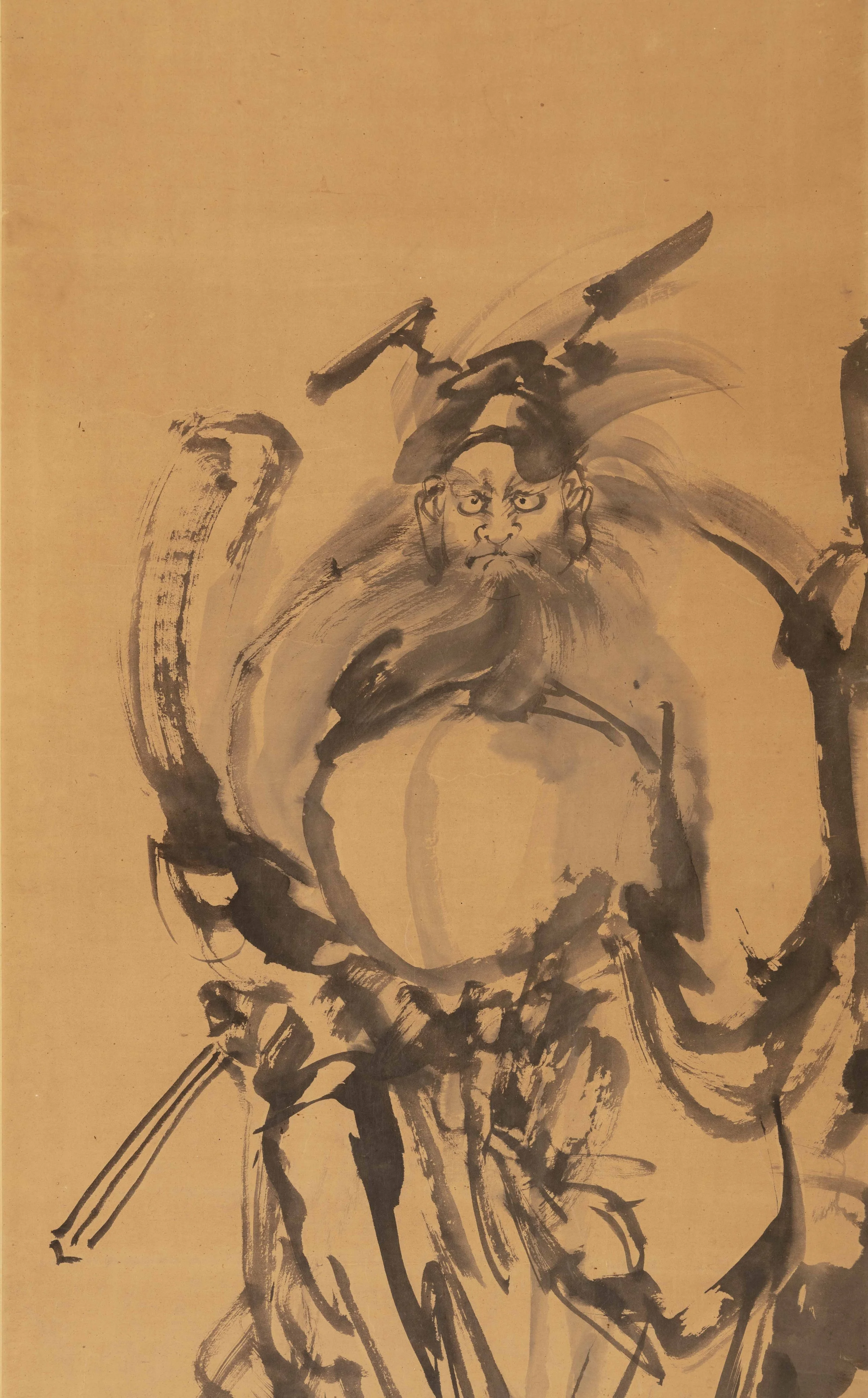
Shōki the Demon Queller, Kawanabe Kyōsai (1831–1889)
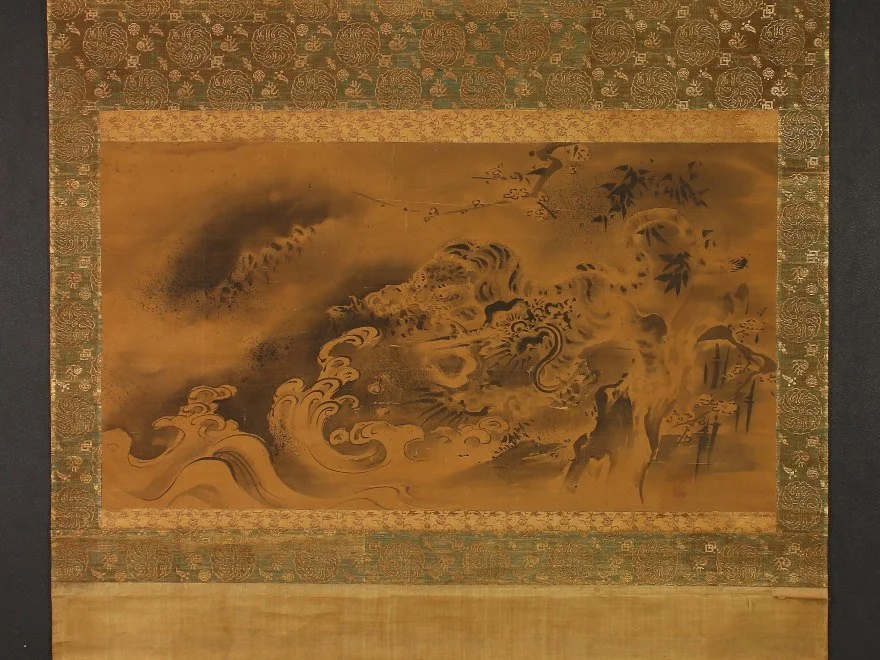
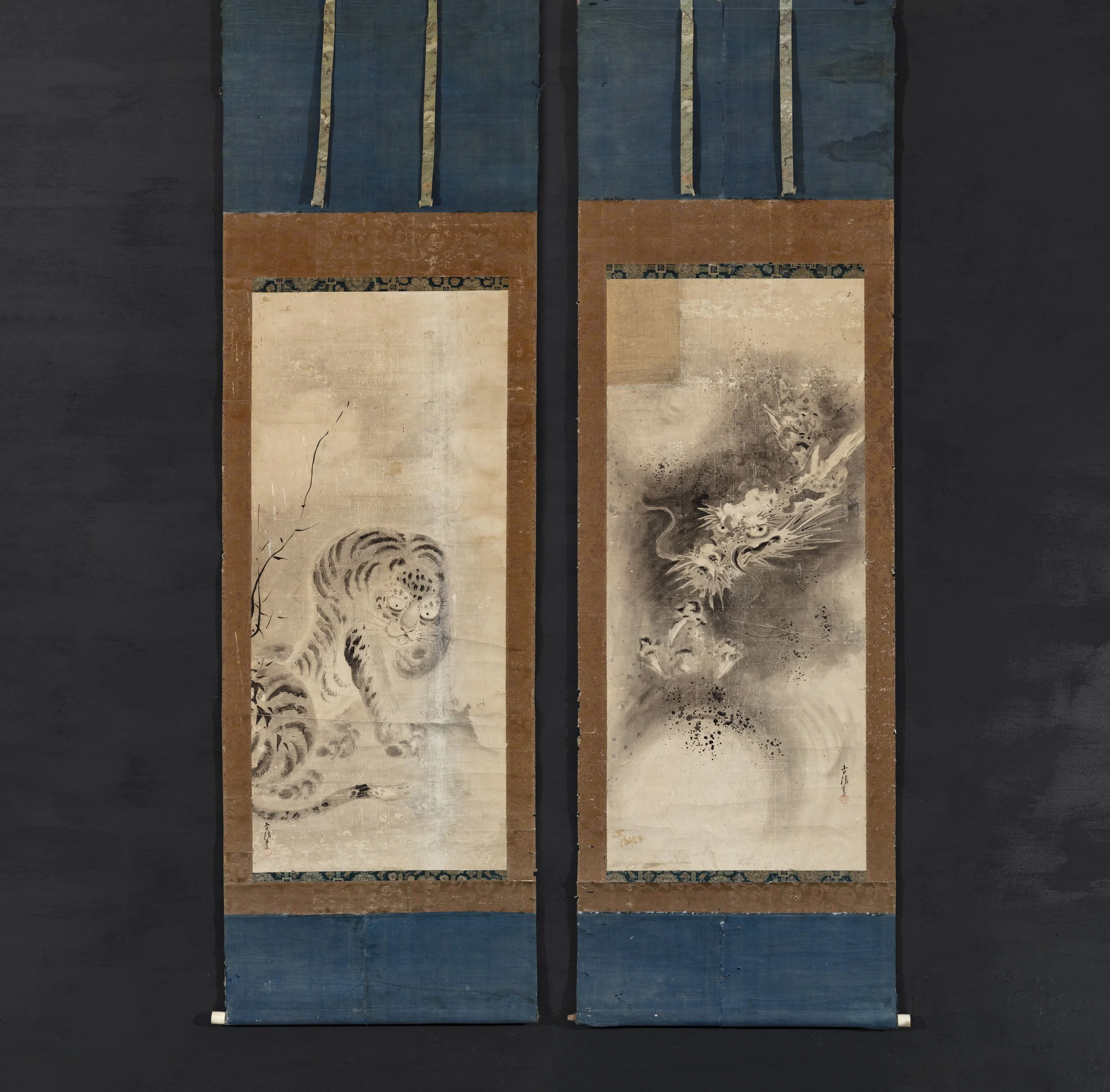
Dragon and Tiger with Plum and Bamboo Kano-school workshop, Kyoto/Ōsaka circle

Anonymous, Unkoku-school tradition Three Landscape Scrolls (after Sesshū lineage) Ink on paper
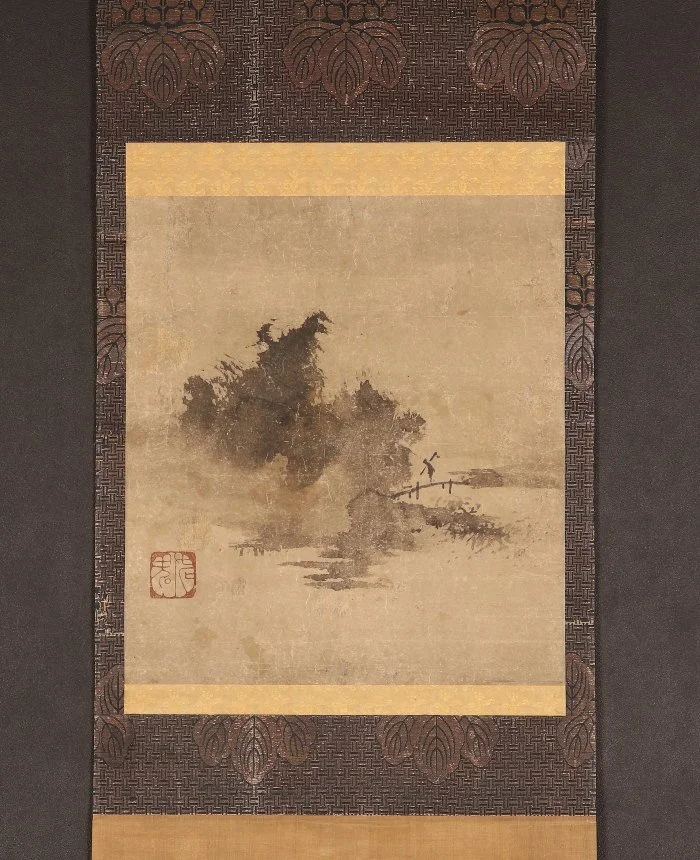
Traveler at a Plank Bridge After Soga Shōhaku (1730–1781)
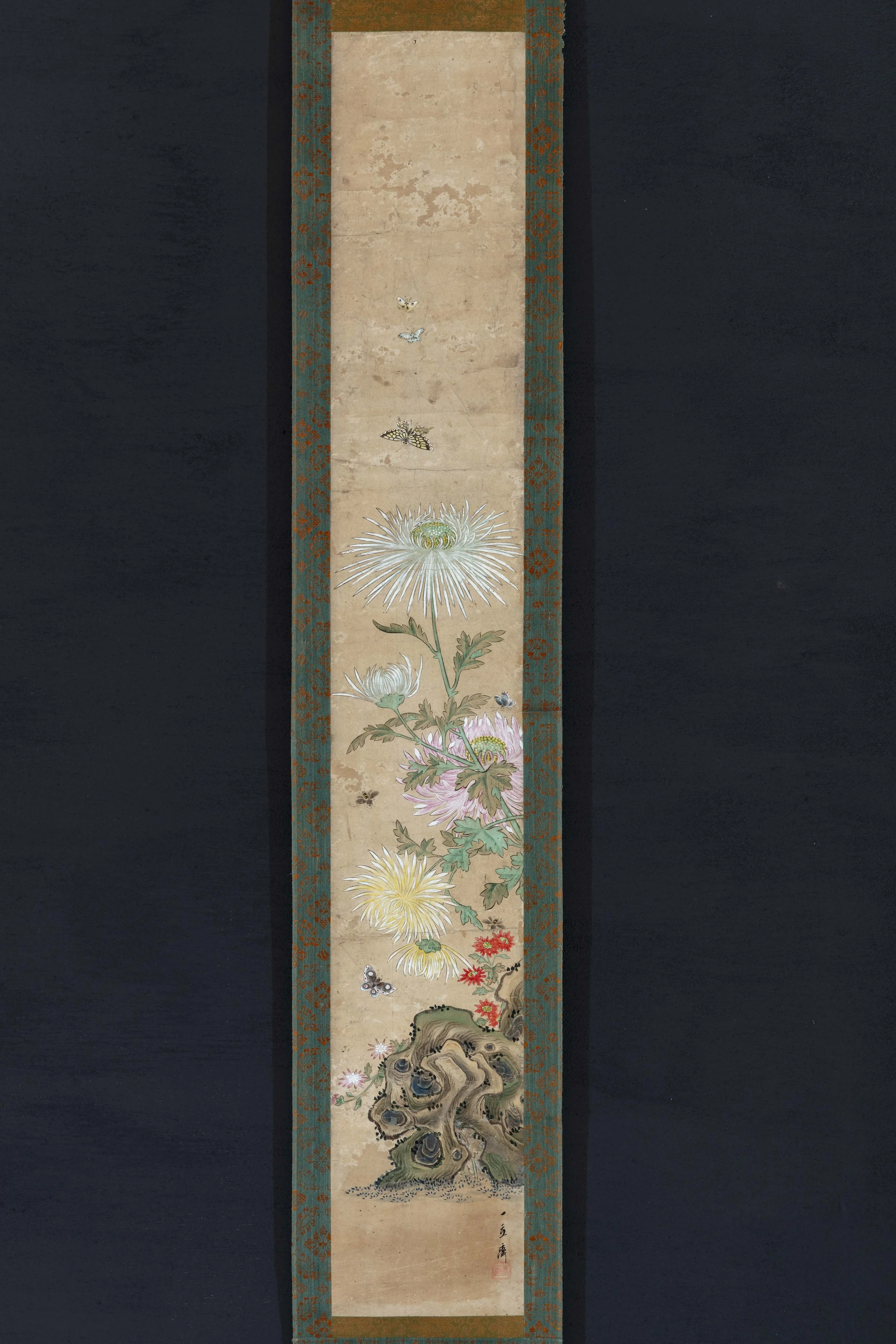
Chrysanthemums and Butterflies in the manner of Utagawa Hiroshige I (1797–1858)
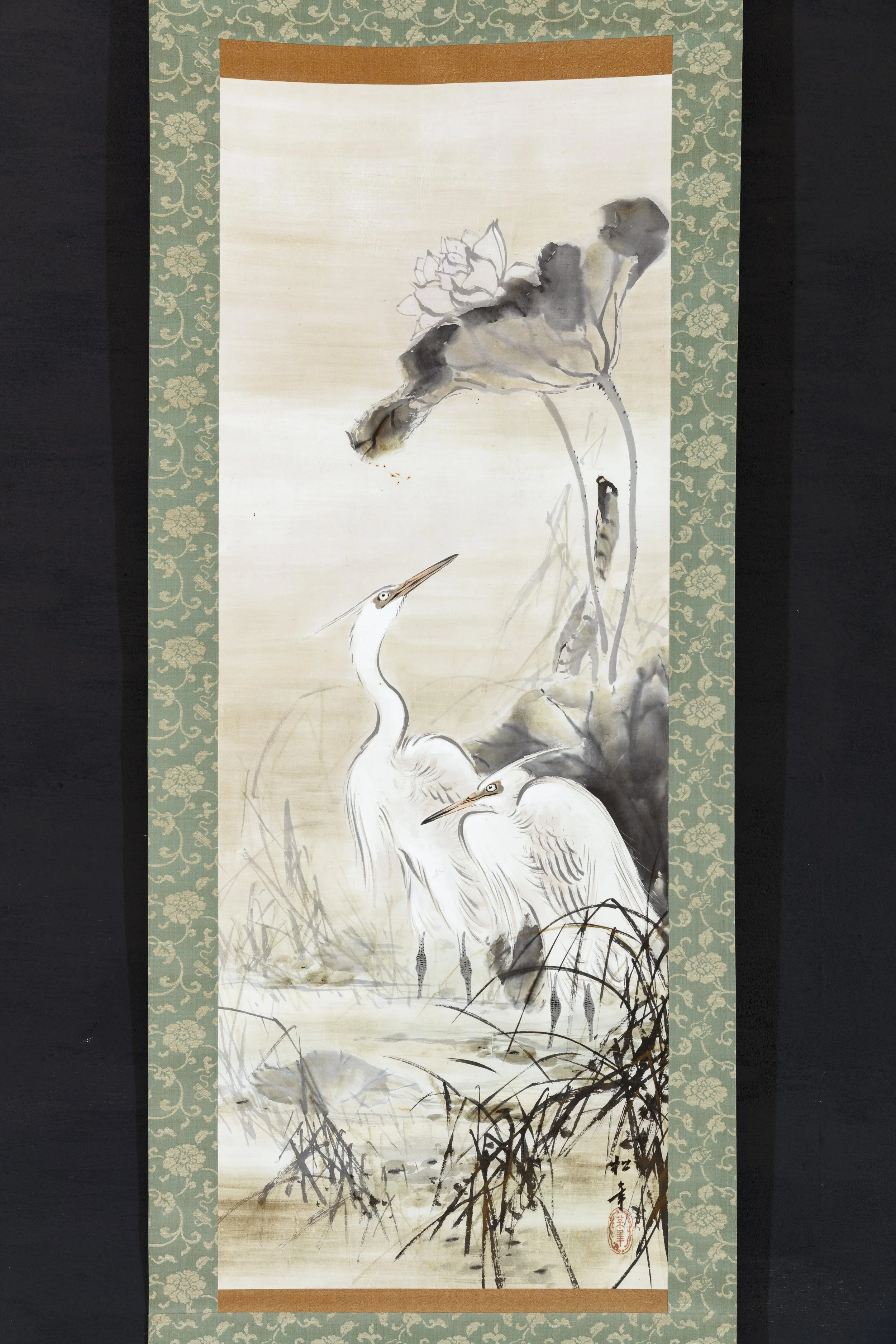
Herons and Lotus Suzuki Shōnen (1849–1918)
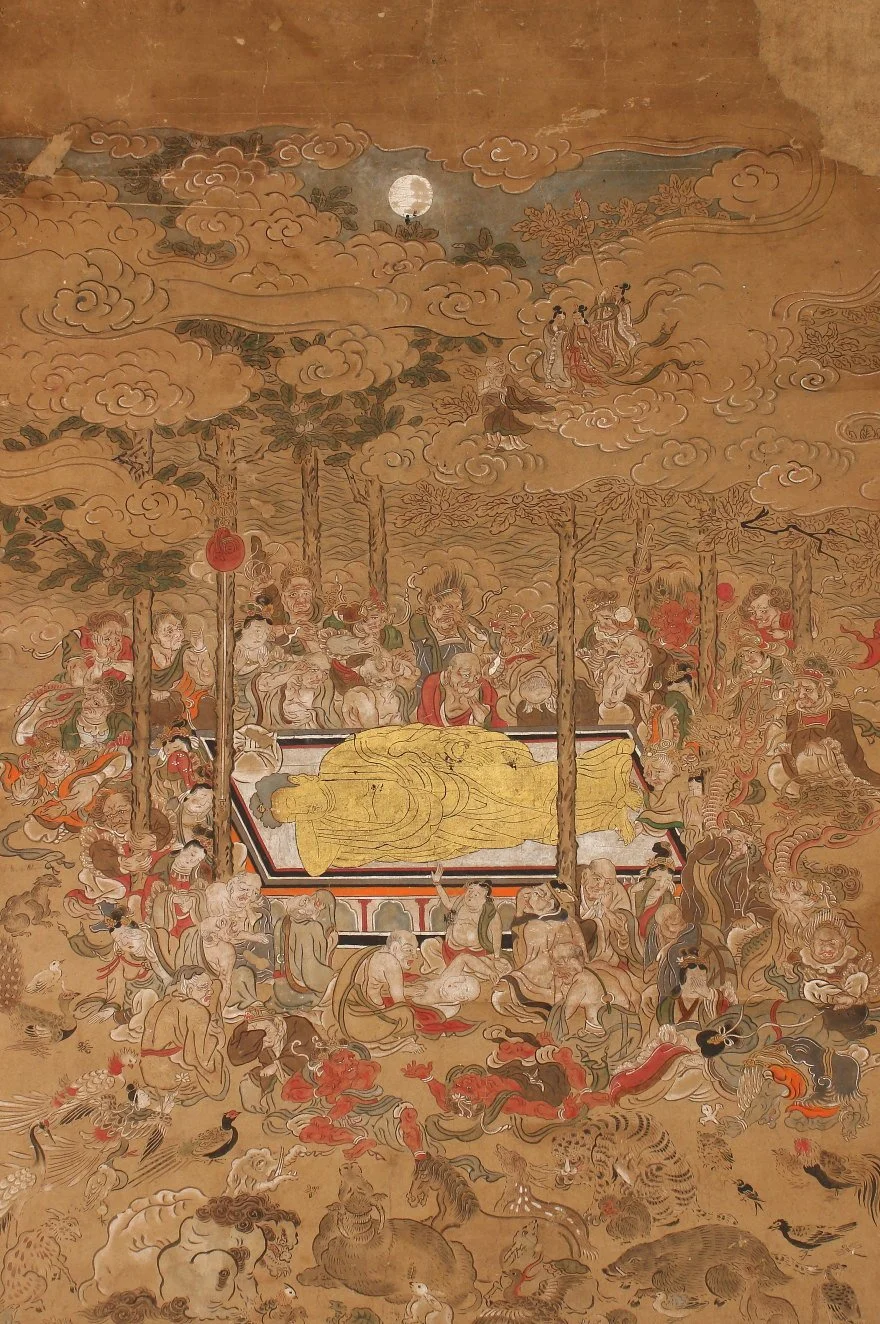
Nirvana of Shakyamuni ● Anonymous Kyoto School, mid-Edo period, ca. 1740–1770
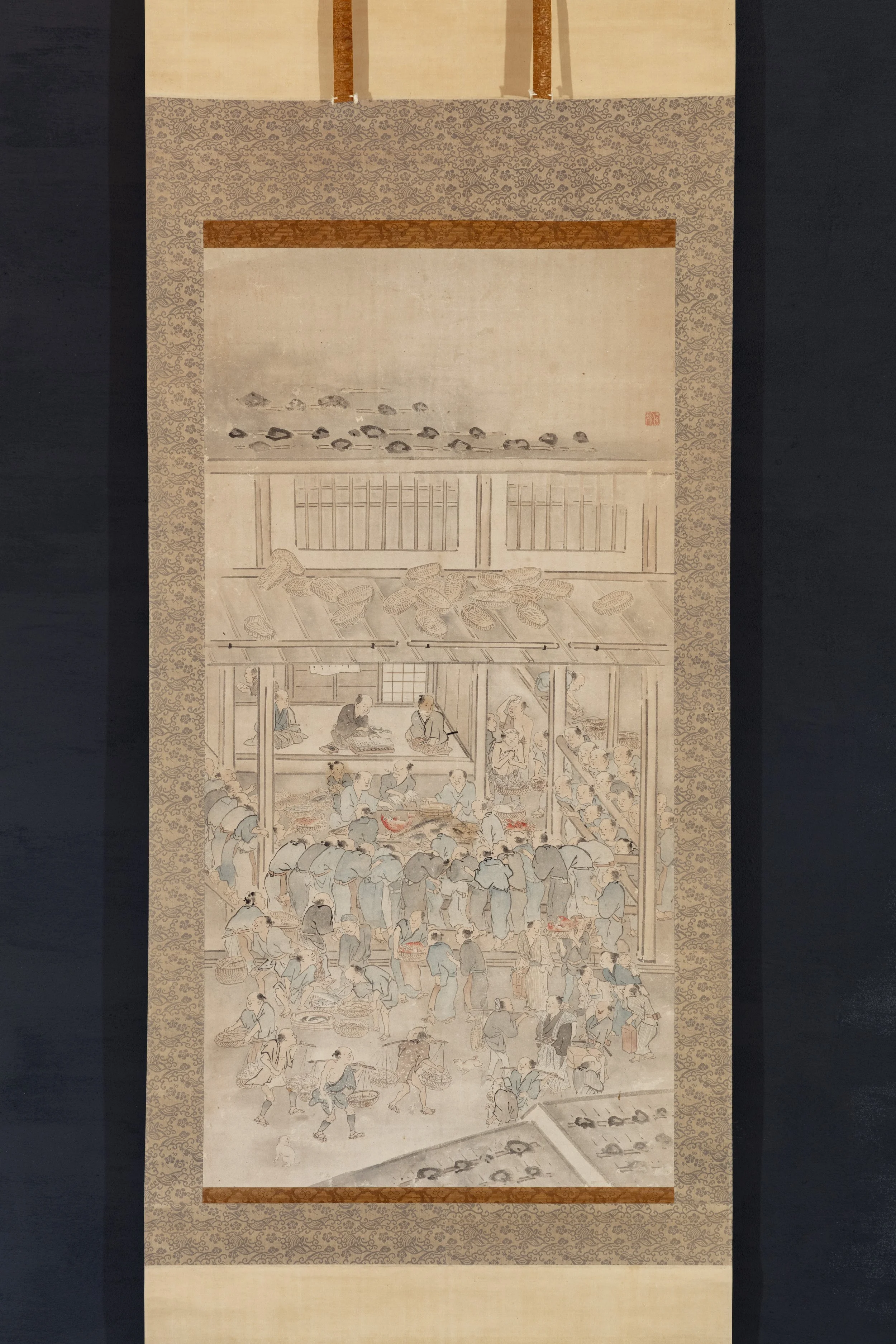
Fish Auction at Uogashi, attributed to Teisai Hokuba 1771–1844
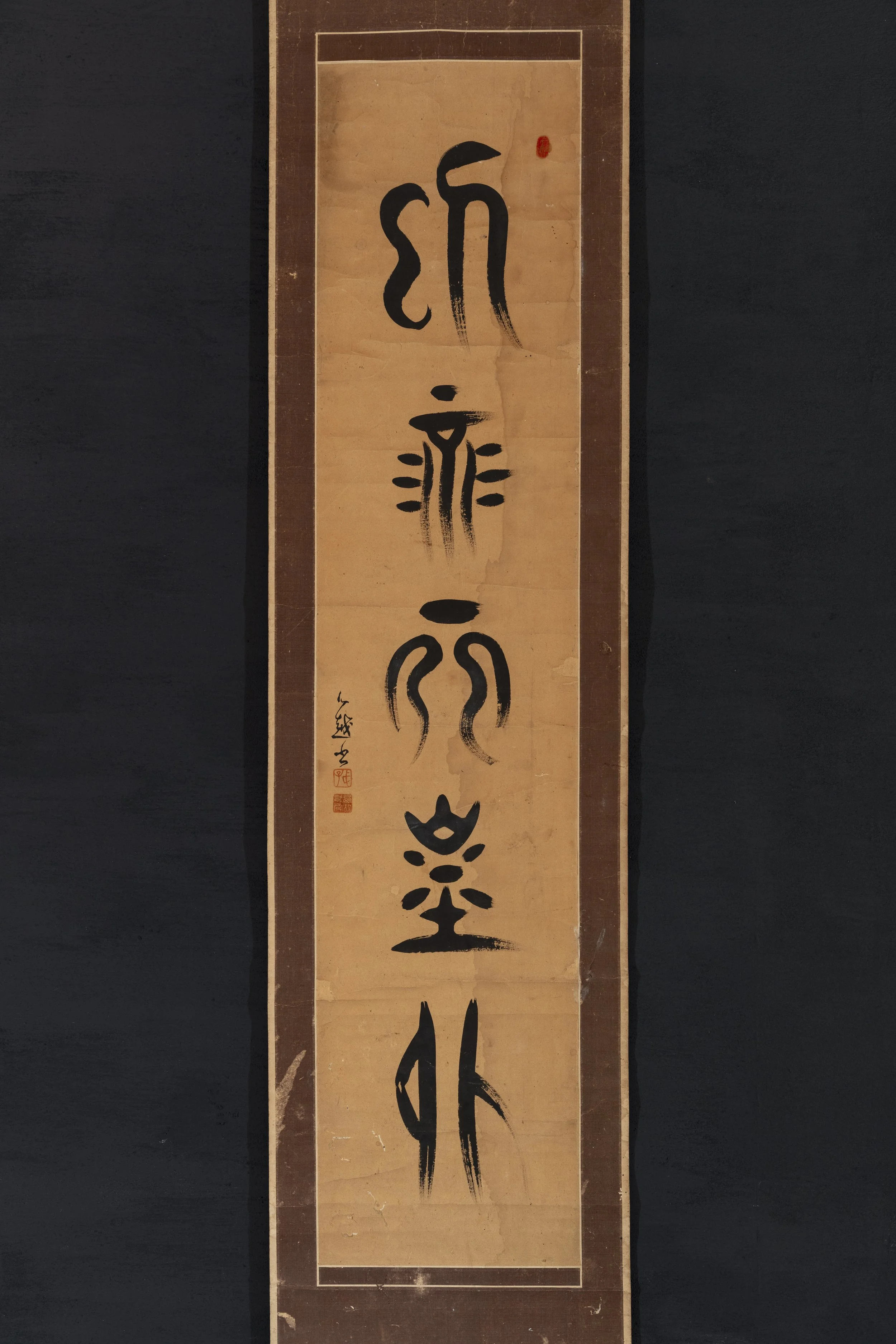
Tōgō Shin’etsu (Donggao Xinyue, 1639–1696),